
Weekly Founder Highlights 1/23
Progress in business rarely comes from dramatic moves. More often, it comes from small, well-timed decisions made with clarity rather than urgency. This week’s conversations returned repeatedly to that idea. How founders hire, measure progress, build teams, and choose where to focus all shape the long-term health of the business far more than speed alone.
Across the week, several clear themes emerged that are worth pausing on.
Progress in business rarely comes from dramatic moves. More often, it comes from small, well-timed decisions made with clarity rather than urgency. This week’s conversations returned repeatedly to that idea. How founders hire, measure progress, build teams, and choose where to focus all shape the long-term health of the business far more than speed alone.
Across the week, several clear themes emerged that are worth pausing on.
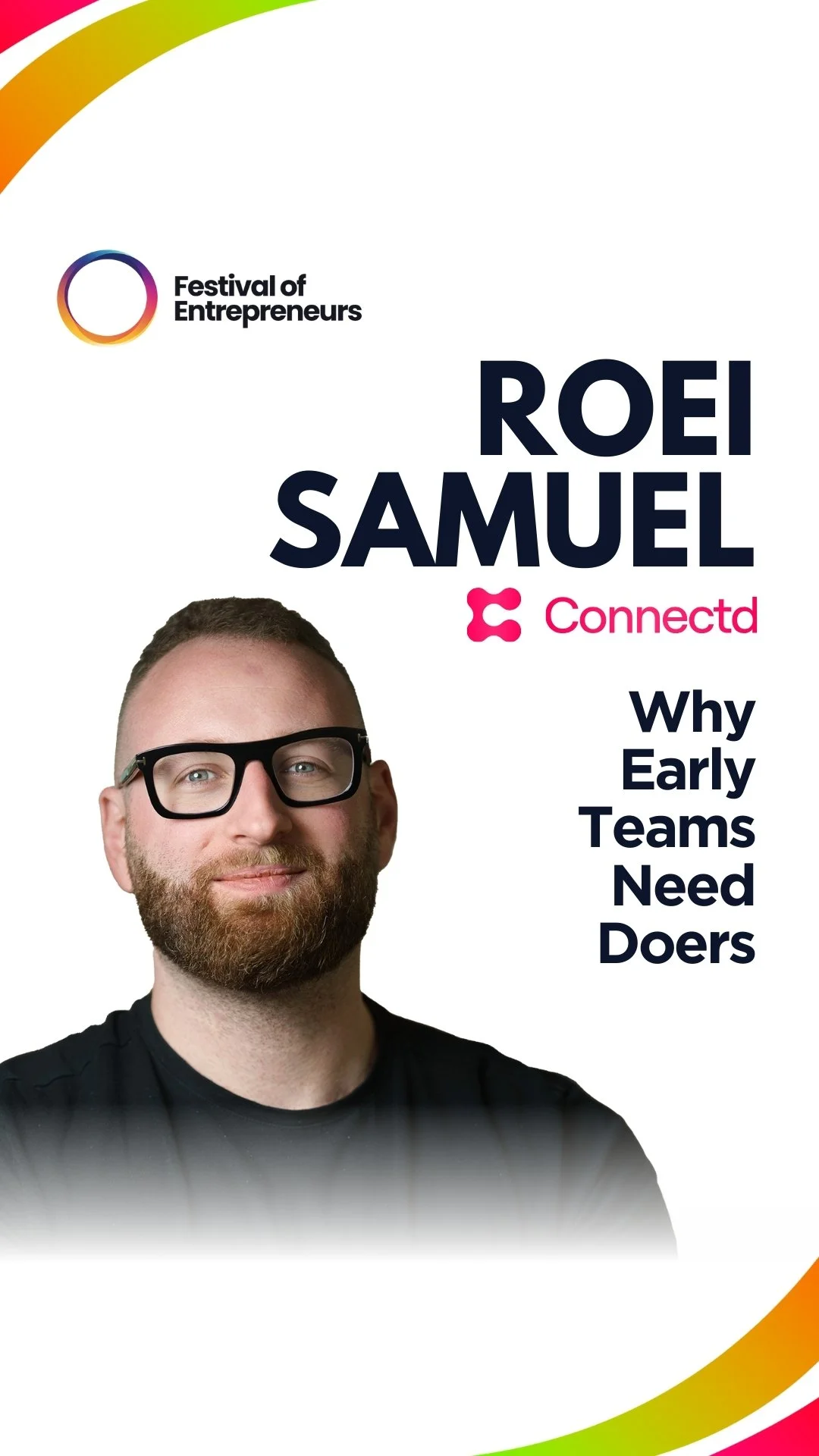
Hire for the stage you are actually in
Early-stage hiring often happens under pressure. Work piles up, gaps appear, and founders rush to bring in senior people in the hope of buying speed. In practice, this frequently slows execution rather than accelerating it.
Early businesses rarely have the structure that senior leaders need to be effective. Without clear systems, priorities, and decision-making authority, experience can turn into friction. At the start, progress usually comes from founders leading from the front and building small teams of aligned, capable generalists who can move quickly.
The reminder here from Roei Samuel, founder of Connectd, is simple but uncomfortable. Hiring should reflect the current stage of the business, not the version founders aspire to reach. Getting that wrong creates cost and complexity that is hard to unwind later.
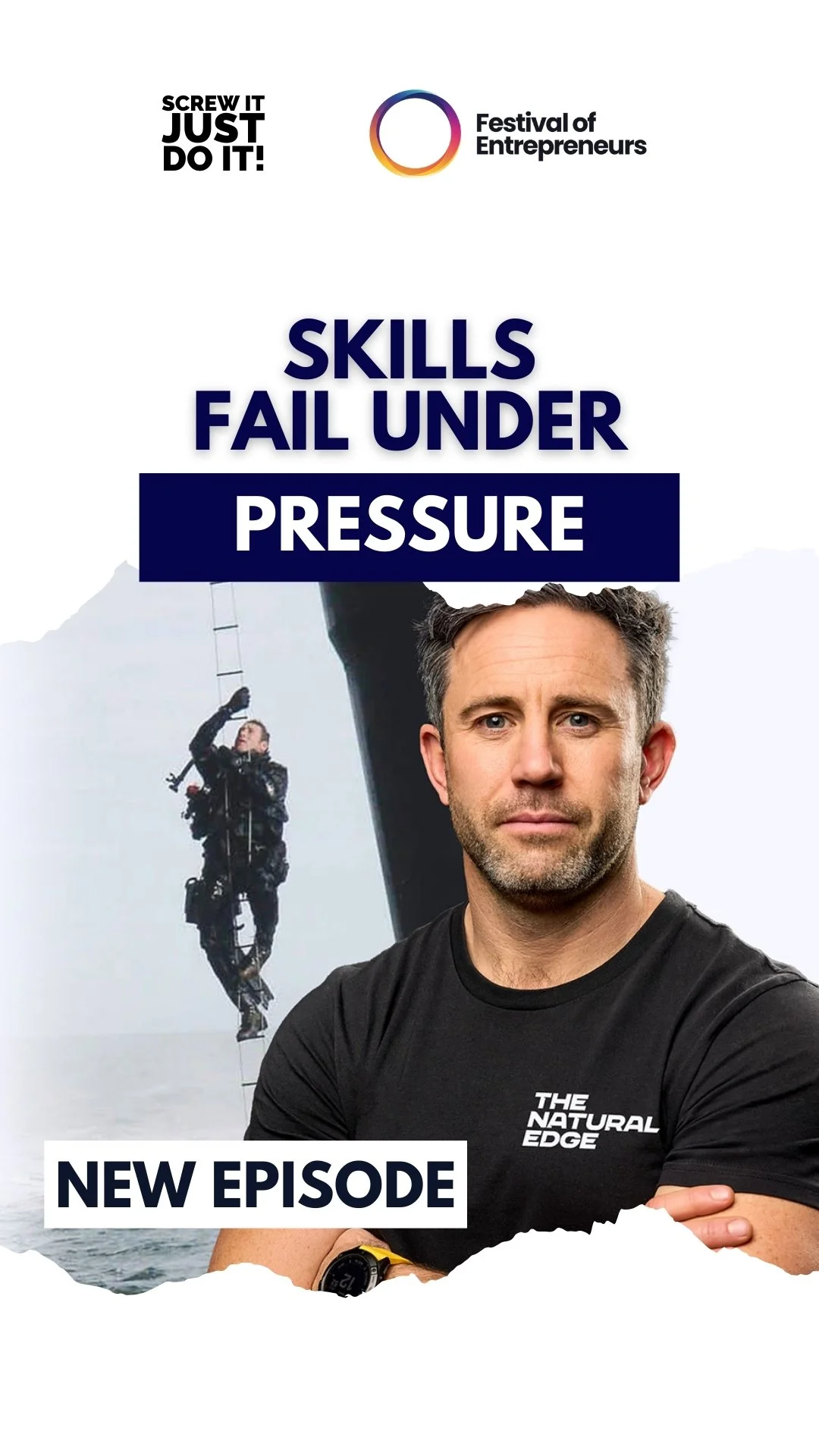
Execution under pressure reveals what really matters
Skills matter. Experience matters. But execution under pressure matters more. When decisions need to be made quickly and information is incomplete, mindset often outweighs capability.
Strong execution comes from clarity of intention. Founders who chase money or external validation too early often lose focus on what they are actually building. Resetting priorities, especially during moments of stress, changes how leaders show up and how teams respond.
This week podcast episode with Simon Jeffries discusses the value of founders who can make decisions calmly when it counts, even when the path forward is not obvious.
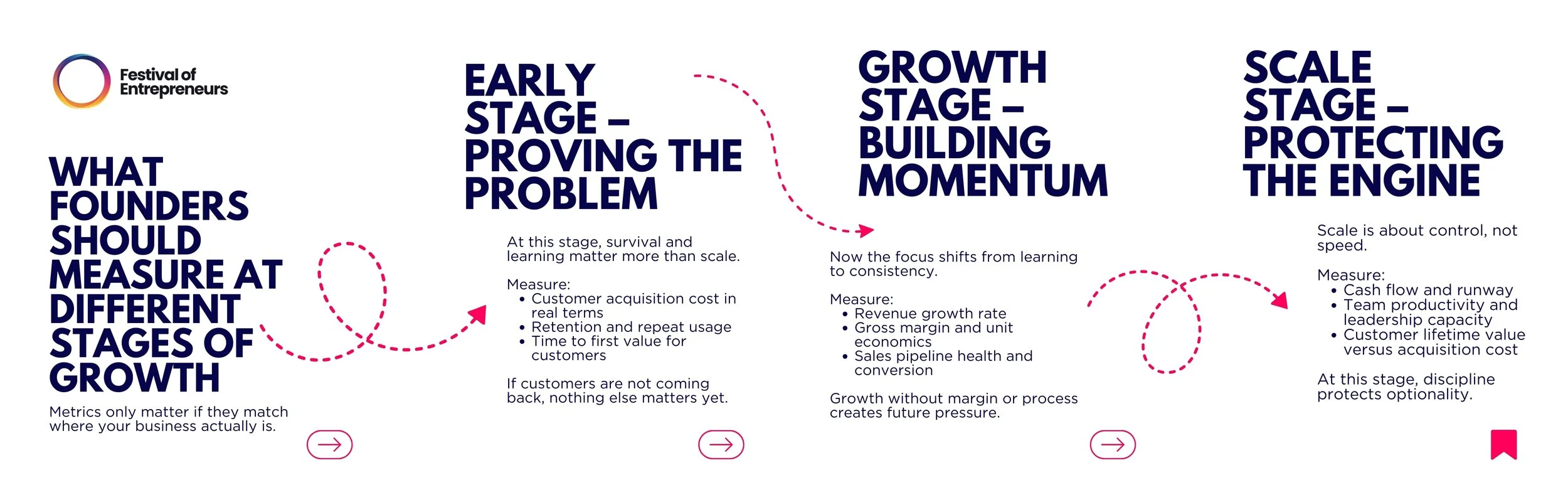
Measure what protects the business, not just what grows it
What founders choose to measure shapes how they build. Early on, learning and retention are more valuable than scale. As the business grows, consistency and margin become critical. At scale, discipline, cash flow, and leadership capacity protect what has already been built.
Strong founders adjust their metrics as the business evolves, before problems force the change. Weak metrics create false confidence. Good metrics create early warning signals.
The lesson is not to track more, but to track better. Measurement should evolve alongside the business, not lag behind it.
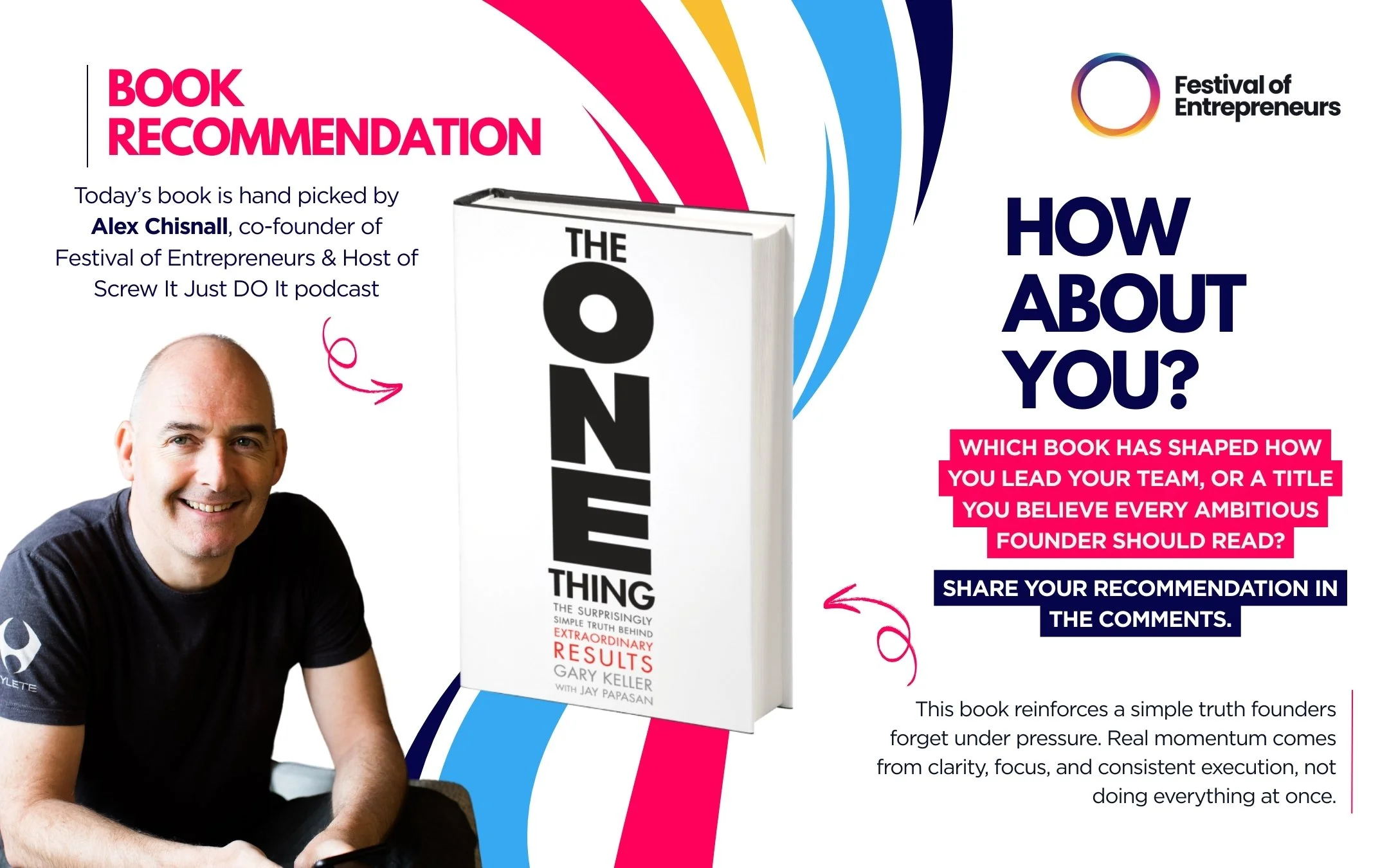
Focus remains a competitive advantage
In a world of constant opportunity, focus is increasingly rare. Many founders mistake activity for progress, adding projects, initiatives, and ideas that dilute attention rather than strengthen results.
Real progress comes from clarity and consistent execution, not doing more. Knowing the one thing that matters right now simplifies decisions and reduces noise. Just as important is knowing what not to do.
This week’s book recommendation from Alex Chisnall’s The One Thing reinforced that focus is not restrictive. It is freeing. It allows teams to move faster by removing unnecessary complexity.
Inclusion works when it is practical
Inclusion is most effective when it is grounded in reality rather than performance. Building teams where people can do their best work requires more than good intentions. It requires practical understanding of how different people think, work, and contribute.
Neurodiversity, leadership style, and team design all influence outcomes. Inclusive teams perform better not because they tick boxes, but because they create environments where people are understood and supported. The takeaway is that inclusion should make work easier and more effective, not more complicated.
Work led by practitioners such as Philippa Nicholson and Inclusive Crews highlights this distinction well. Their focus is not on labels or theory, but on helping organisations make inclusion usable. Practical adjustments. Better conversations. Environments where neurodiversity is understood rather than managed.
Closing thought
Taken together, this week’s highlights point to a consistent truth. Strong businesses are built through judgement, discipline, and timing. Hiring with intention. Measuring what matters. Staying focused. Creating teams that can grow with the business.
None of this is dramatic. All of it compounds.
Founders who slow down enough to make the right decisions at the right moments give themselves a far greater chance of building something that lasts.