
Weekly Founder Highlights 01/30
This week’s conversations circled around a familiar but often neglected truth. Sustainable growth is built long before momentum appears. The choices founders make early, how they hire, what they prioritise, and how they treat people, tend to shape outcomes far more than speed or scale.
Several clear threads ran through the week.
Foundations come before growth
One of the strongest messages this week was that growth is rarely the starting point. Before traction comes structure. Before structure comes discipline.
Founders often feel pressure to grow quickly, but skipping the groundwork makes growth expensive to correct later. Compliance, financial discipline, and listening closely to customers all create stability. These are not exciting activities, but they give a business room to adapt and make better decisions as it evolves.
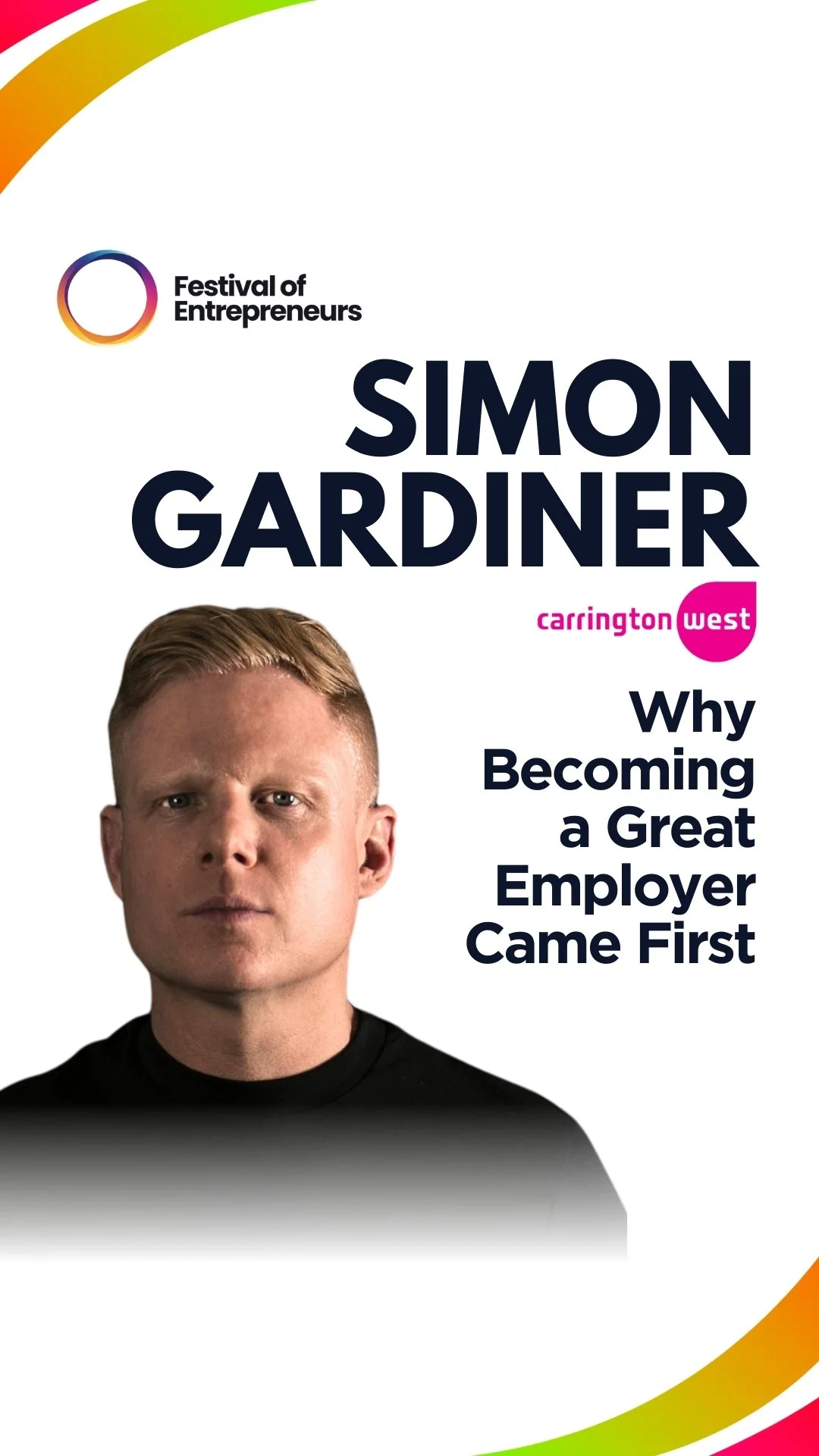
Here’s a reminder from Simon Gardiner, Co-founder of Carrington West: Growth built on weak foundations creates fragility. Growth built on clarity compounds.
Teams perform best when they understand the mission
Growth compounds when people feel part of something meaningful. Teams perform better when they understand the mission, see how their work contributes, and feel genuinely valued.
This is not about motivation slogans or surface-level engagement. It is about clarity. When people know why the work matters and where the business is going, commitment deepens. Culture becomes a source of strength rather than a management challenge.
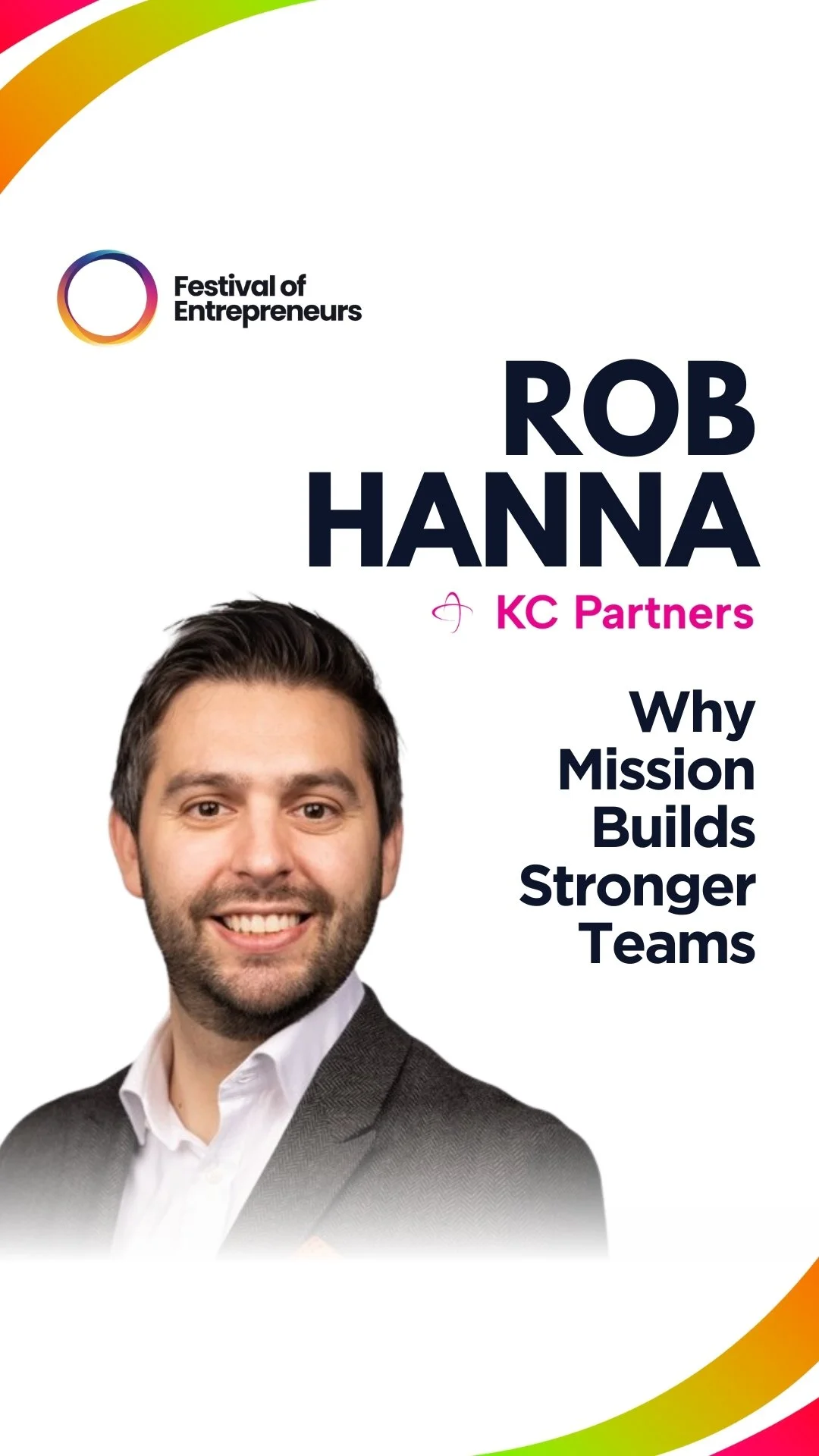
Founders who take people on the journey tend to see stronger results over time. Check out this insights from Robert Hanna, founder of KC Partners & host of The Legally Speaking Podcast.
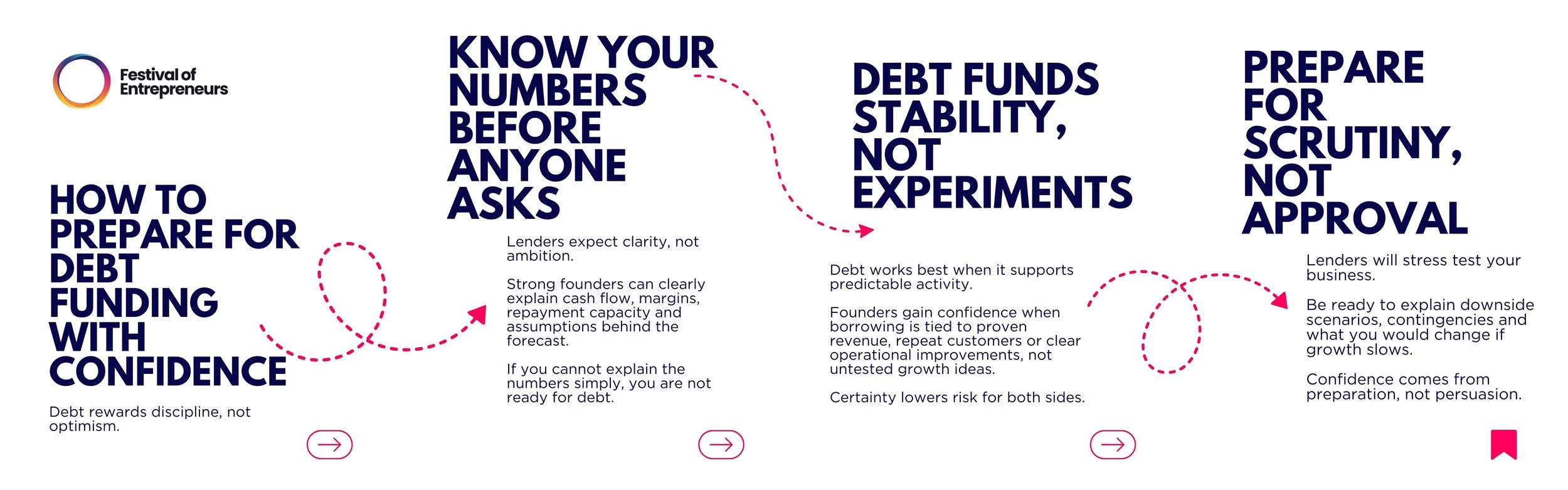
Debt funding rewards preparation, not optimism
Debt funding can be a powerful tool when used with discipline. Used poorly, it creates pressure at the wrong time.
Preparation matters long before conversations with lenders begin. Clarity on cash flow, realistic assumptions, and a clear understanding of risk all build confidence, both for founders and for those providing capital.
Debt works best when it supports a business that already understands its numbers and its direction. It is not a shortcut to growth.
Early hiring decisions shape execution
Early-stage hiring is frequently reactive. Gaps appear, workloads increase, and founders rush to bring people in. When this happens without intention, execution slows rather than accelerates.
Hiring senior leaders too early can introduce complexity a young business is not ready to support. In the early stages, progress often comes from small teams of aligned, capable people who can move quickly and adapt as roles change.
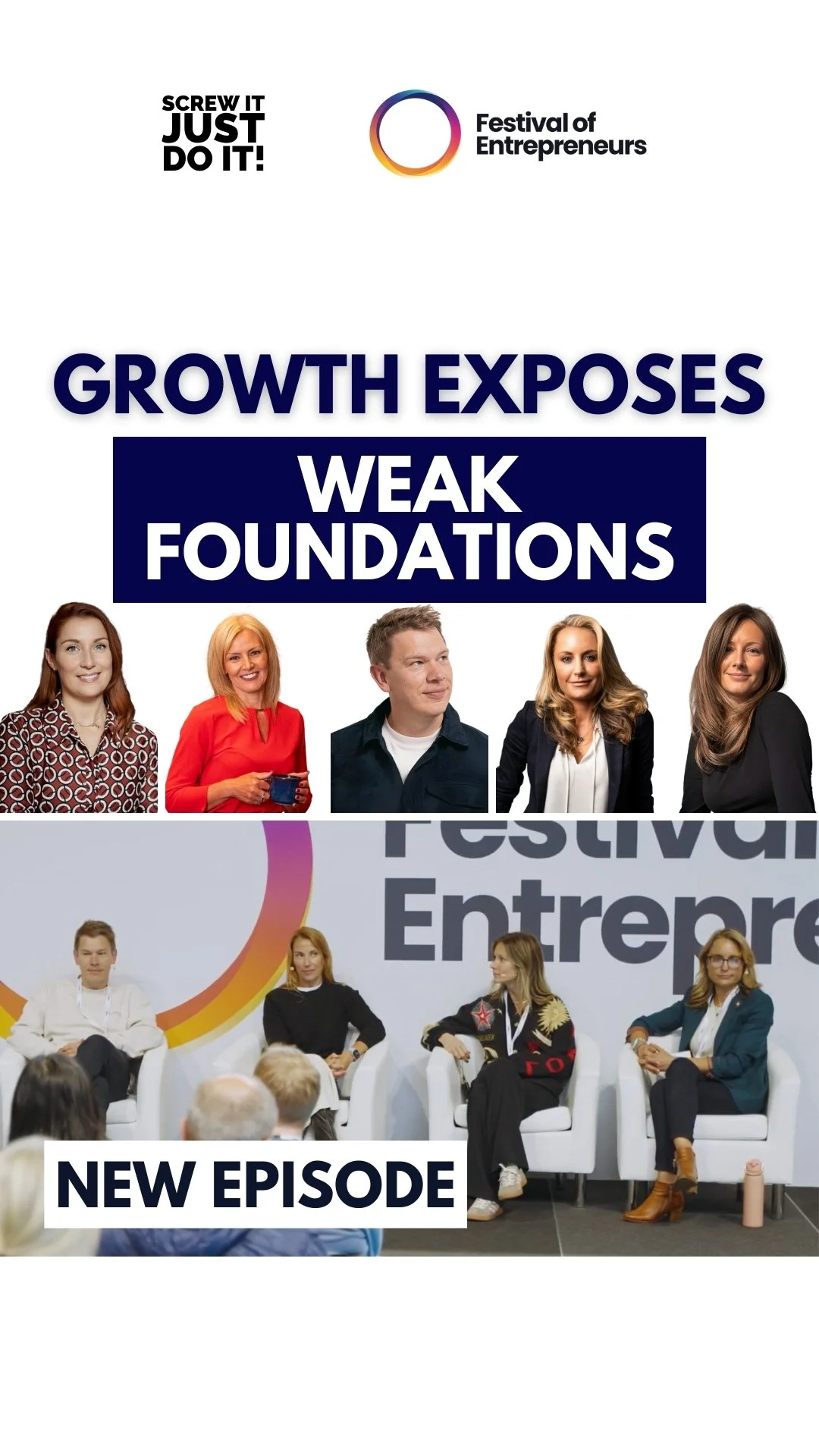
Listen to this panel of experts as they discuss that the stronger approach is to hire for where the business actually is, not where founders hope it will be. Matching roles to the current stage reduces friction and keeps momentum moving forward.
Claire Warner, Co-founder of Aercorn Apertifs
Jeannete Linfoot, Host of Brave, Bold & Brilliant podcast
Mark Rushmore, Co-founder of SURI
Melissa Snover, Founder of Remedy Health & Nourished
Laura Fullerton, Founder of Monk
Long-term thinking beats urgency
Across the week, the strongest signal was a bias towards long-term thinking. Clarity, structure, discipline, and people-first leadership all require patience. They rarely deliver instant results, but they protect the business as it grows.
Founders who resist urgency in favour of considered decisions tend to build organisations that last. Progress may look slower on the surface, but it is far more durable underneath.
Strategus Consultancy, led by Mike Harris, is focused on helping founders and leadership teams make better decisions, build stronger organisations and develop the next generation of leaders.
Closing thought
This week’s highlights point to a steady truth. Strong businesses are built through foundations, people, and judgement. Not through rushing, but through choosing the right priorities at the right time.
Growth is not just about moving faster. It is about building something that can keep moving when conditions change.