
Scaling teams in the age of AI: how founders should rethink growth
For decades, scaling a business followed a familiar pattern. More customers meant more people. More people meant more management, more cost, and more complexity. That logic is now being challenged. Artificial intelligence is changing not just how businesses operate, but how founders should think about building teams in the first place.
The question is no longer how quickly you can hire. It is how intelligently you can scale without creating drag.
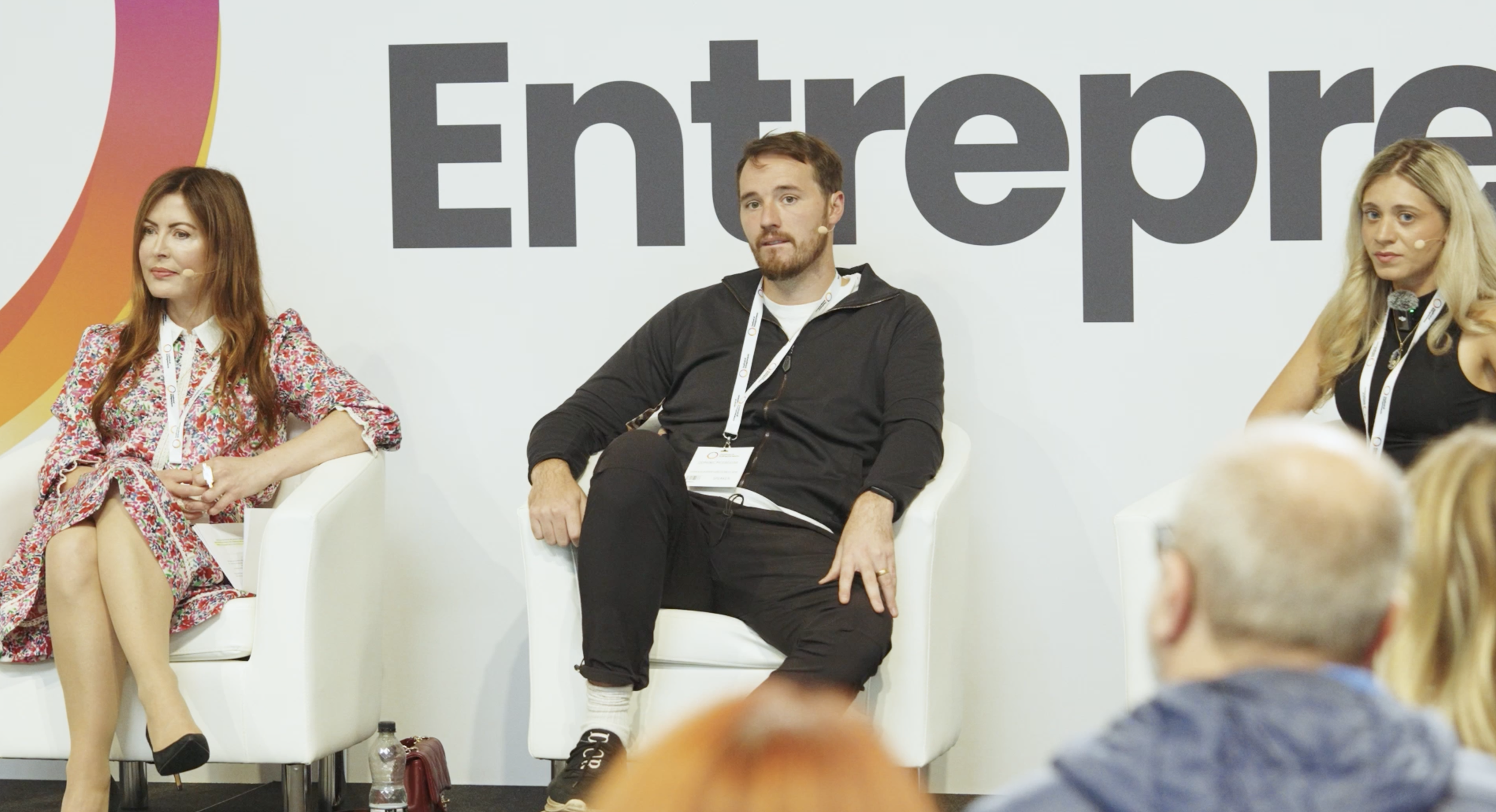
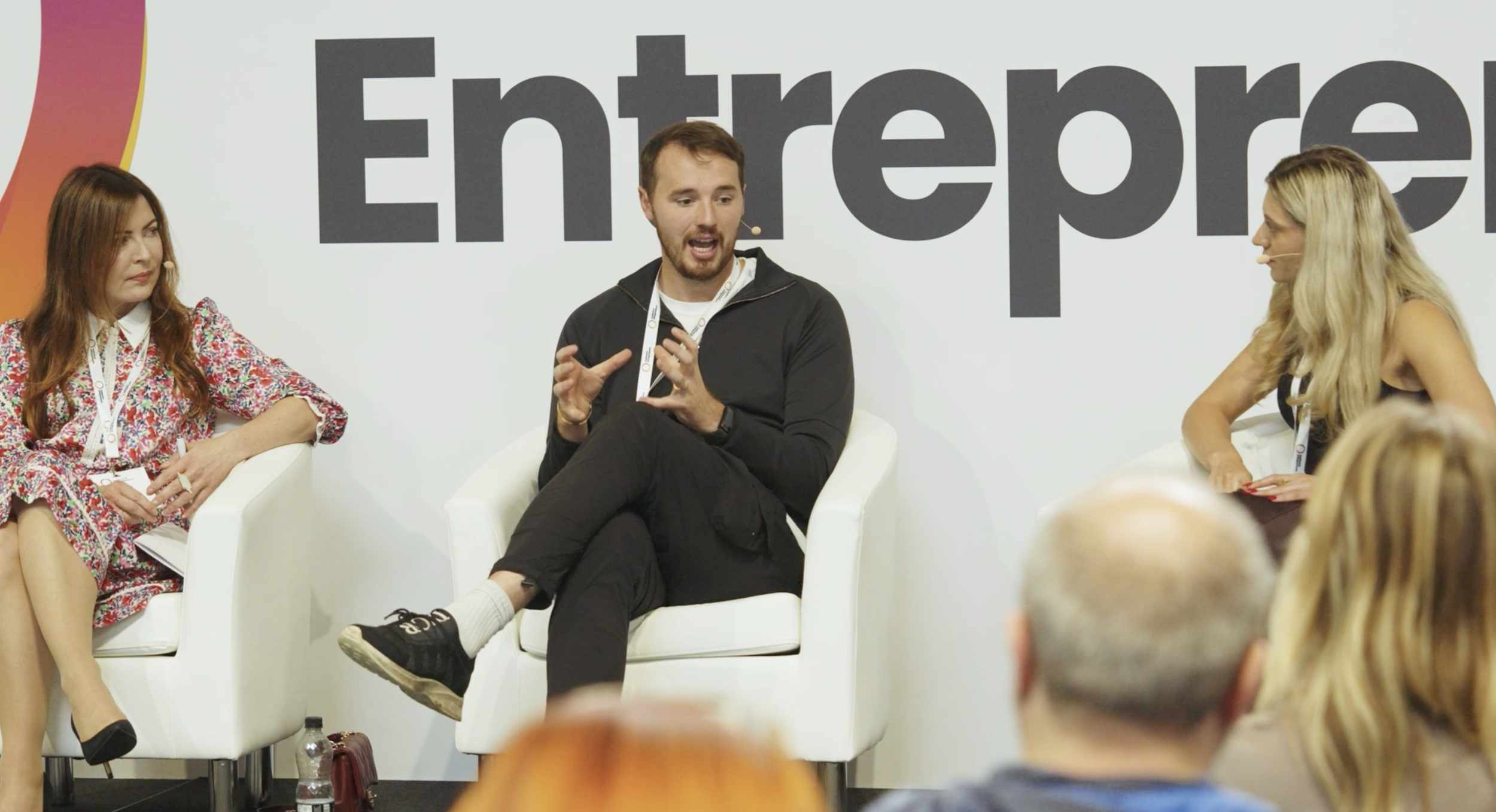
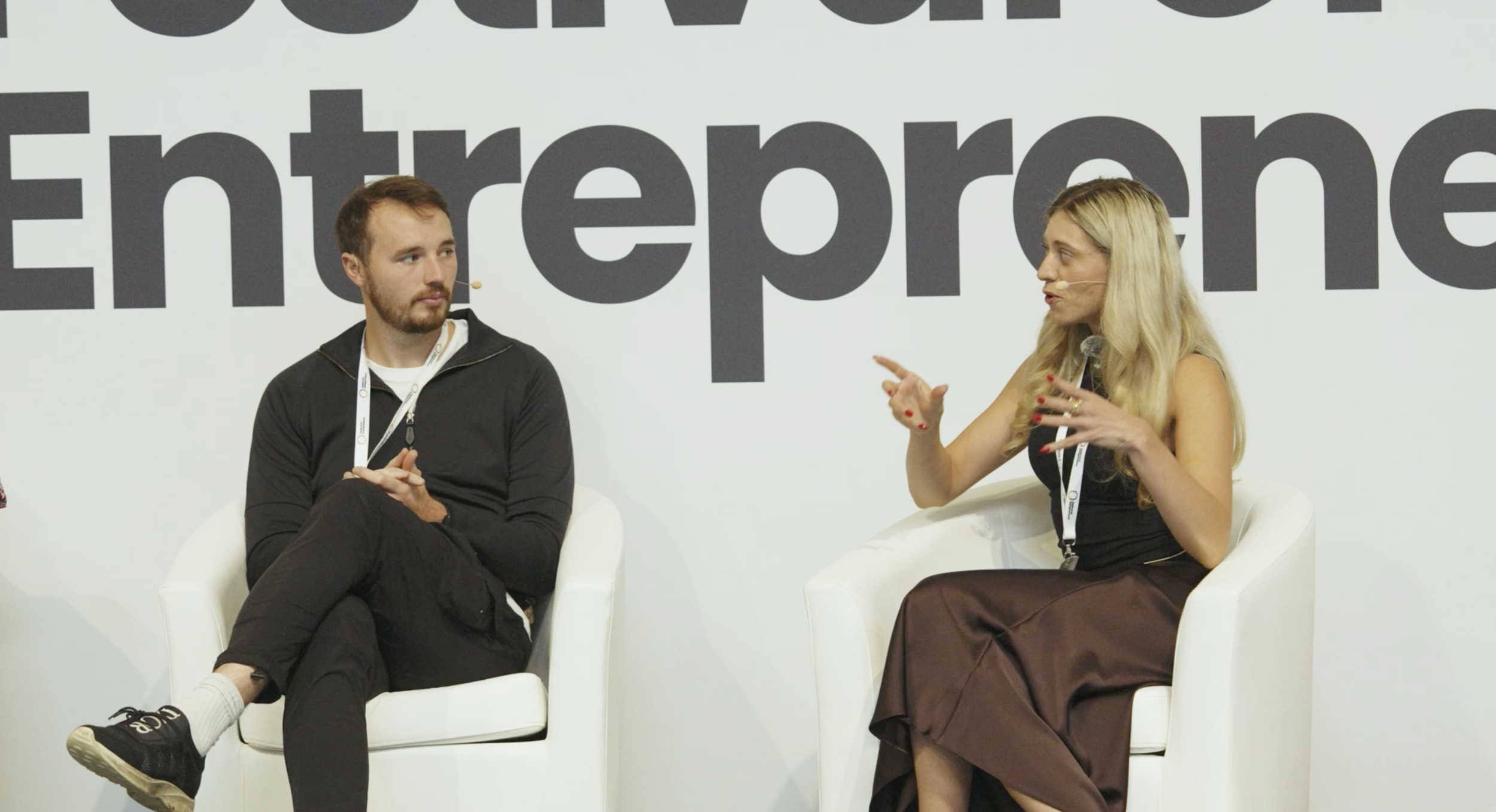
This conversations between Dom McGregor, Sam Pearton, Boris Diakonov, Jo Dalton and Sabrina Stocker explore the future of work, the rapid democratisation of information, and why the next generation of unicorns will come from founders who think bigger, adopt AI early and solve global problems.





Growth no longer requires proportional hiring
One of the most significant shifts for founders is the decoupling of revenue growth from headcount growth. Tasks that once required entire teams can now be handled through automation, AI assisted workflows, and better tooling.
This does not mean people no longer matter. It means the role of people has changed. Instead of hiring to fill gaps created by inefficiency, founders can now ask a more fundamental question. Can this problem be solved through process, automation, or tooling before adding another role.
Businesses that adopt this mindset tend to grow leaner, faster, and with greater resilience. They spend less time managing internal complexity and more time focused on customers, product, and direction.
Hiring decisions need a longer view
Hiring has always been risky. In an AI enabled business, that risk increases if decisions are made too quickly. Every hire should be assessed not just on immediate output, but on their ability to grow with the business.
Some people deliver rapid impact but plateau quickly. Others take longer to find their stride but create far greater value over time. Founders who scale well learn to spot potential rather than just polish.
This requires slowing down hiring rather than accelerating it. Clear assessment, high standards, and patience matter more than ever. Letting the wrong person into a small, AI efficient team creates friction that is harder to unwind later.
Leadership matters more than headcount
As teams become smaller and more capable, leadership quality becomes a force multiplier. A few highly competent people, supported by the right tools, can outperform much larger teams with weaker direction.
This shift explains why many growing businesses are becoming top heavy rather than bottom heavy. Instead of large execution teams, founders invest in senior thinkers, experienced operators, and advisors who bring judgement rather than labour.
The value sits in knowing what to do, not just how to do it. AI handles execution at scale. Humans provide vision, prioritisation, and decision making.
Not every problem needs a full time hire
One of the most expensive mistakes founders make is hiring when they really need insight rather than capacity. Many business problems can be solved through a short conversation, a fractional expert, or a temporary engagement.
AI has accelerated access to information, but wisdom still comes from experience. The difference is that founders no longer need to hire permanently to access that experience. Advisors, consultants, and short term support can unlock clarity without long term commitment.
This flexibility allows businesses to stay lean while still making informed decisions.
Entry level roles are disappearing, but opportunity is not
AI is reducing the number of traditional entry level roles, particularly those based on repetitive administrative work. This creates real challenges for talent development, but it also changes how people add value.
Future team members will need to contribute judgement, creativity, and adaptability sooner. The expectation that people grow faster than the business itself becomes critical.
For founders, this means investing in people who are curious, adaptable, and willing to learn alongside the technology. Skills matter, but mindset matters more.
AI changes how founders should approach early growth
The cost of getting from idea to product has collapsed. What once required millions can now be achieved with modest resources and the right tools. Founders can build, test, and sell far earlier than before.
This fundamentally changes early stage strategy. Instead of raising money to prove an idea, founders can prove demand first and raise later to scale. It reduces risk and improves decision quality.
AI tools allow technical and non technical founders alike to experiment, prototype, and iterate quickly. What matters is not perfection, but speed of learning.
Efficiency does not replace ambition
AI makes businesses more efficient, but efficiency alone does not create growth. Revenue still comes from customers. Markets still need to be won. Energy, conviction, and sales effort remain essential.
Founders should be wary of assuming that adding AI to existing processes will automatically unlock scale. Technology creates capacity. Direction determines outcome.
The businesses that grow fastest use AI to free up leadership time, then reinvest that time into selling, partnerships, and strategic moves that technology cannot make on its own.
Leading teams through uncertainty
AI creates anxiety as well as opportunity. Team members worry about relevance, security, and the pace of change. How founders handle this determines whether AI becomes a unifying force or a source of fear.
The strongest leaders lead from the front. They use the tools themselves. They show curiosity rather than resistance. They frame AI as a way to amplify contribution rather than remove it.
At the same time, there is honesty. Roles will change. Some skills will become obsolete. Avoiding that conversation creates false security and deeper problems later.
Thinking bigger requires letting go of comfort
One of the quieter themes in modern entrepreneurship is under ambition. Many founders build businesses that are smaller than their capability, constrained by familiarity rather than potential.
AI lowers barriers, but it also exposes this gap. When tools make it easier to build and test at scale, the limiting factor becomes conviction rather than capability.
Some businesses are not designed to scale, and that is fine. But for founders with bigger ambition, AI provides an opportunity to rethink what is possible without being tied to old assumptions about team size, funding, or geography.
Scaling with intent
Scaling in the age of AI is not about removing people. It is about using technology to be more deliberate about where people add value.
The founders who succeed will be those who hire less, think more, and build teams that grow in capability rather than just in size. AI makes that possible, but leadership makes it work.