
Scaling with purpose: founder lessons from the frontline of innovation
Innovation often starts with a simple frustration. A small, everyday problem that most people accept as normal, until someone decides it should work better. What follows is rarely simple. Building something genuinely new, especially in a regulated environment, demands patience, resilience, and a deep sense of purpose.
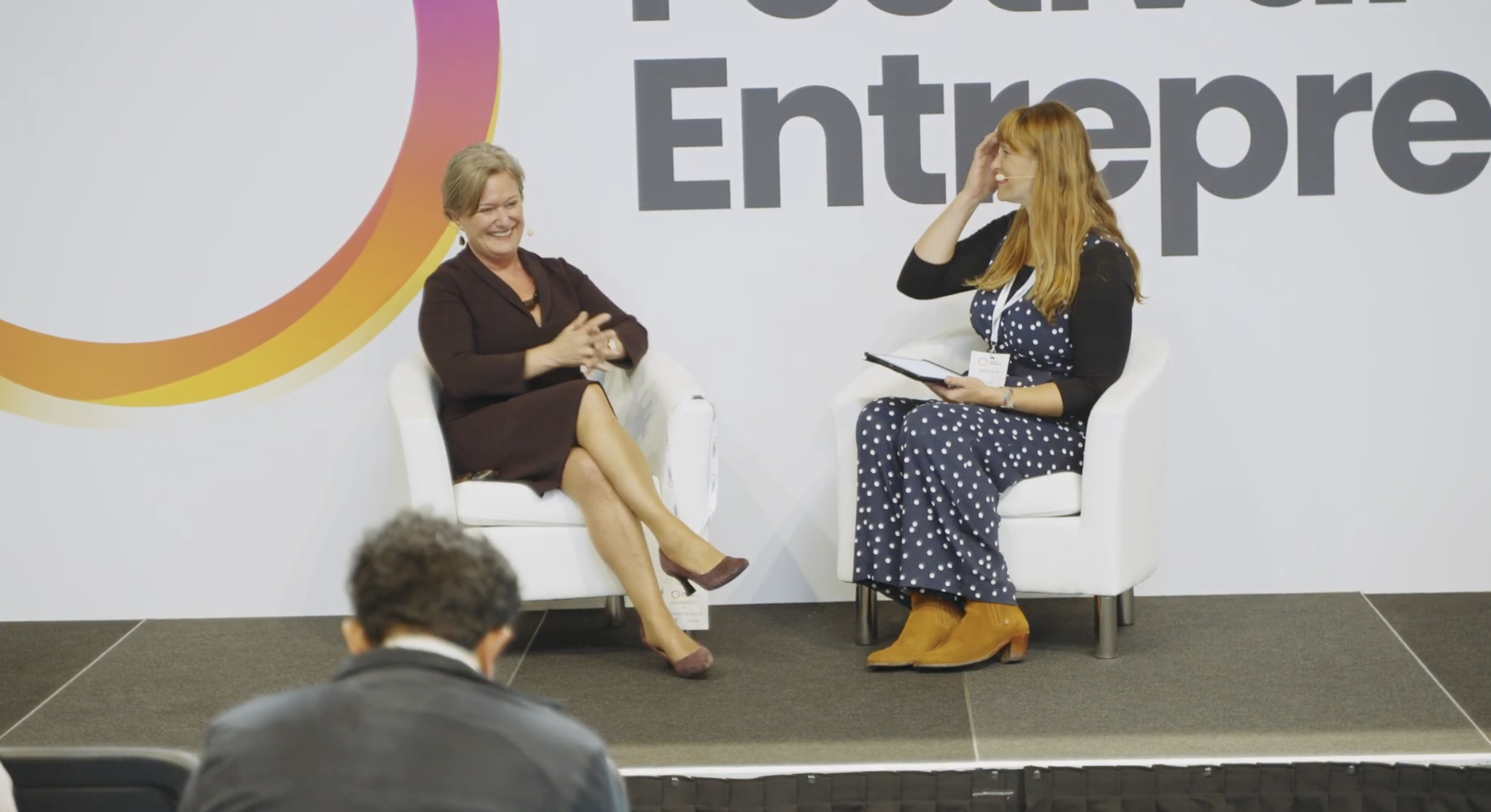
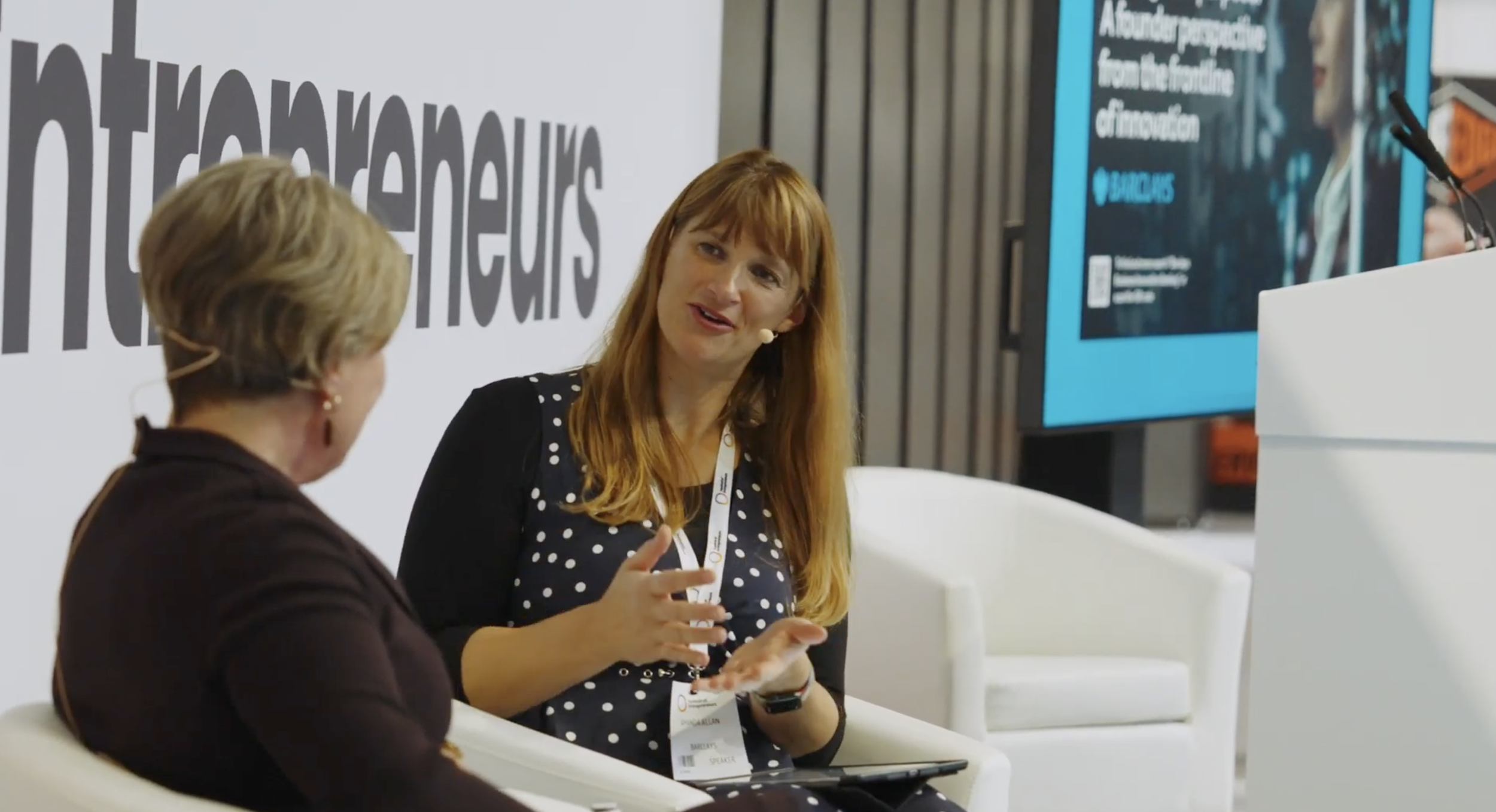
That reality sat at the heart of this conversation, which brought together Giovanna Forte, founder and CEO of Forte Medical, alongside Amanda Allan from Barclays. The discussion offered a grounded look at what it takes to scale purpose-led innovation in the real world, far beyond the headlines.


Innovation that starts with evidence, not assumption
The origin of Forte Medical was not a market trend or funding opportunity. It came from a clinical insight. Repeated issues with contaminated urine samples were creating unnecessary retesting, misdiagnosis, and cost across the healthcare system. The problem was widely tolerated, not properly solved.
Turning that insight into a viable medical device took time. Nearly a decade of research and development followed, involving product design, testing, and manufacturing challenges that would stop many founders long before a product reached the market. The lesson here is not about speed. It is about evidence.
In regulated sectors, credibility is built through proof, not persuasion. Innovation only gains traction when it demonstrably improves outcomes. In this case, that meant reducing contamination, improving diagnostic accuracy, and delivering measurable cost savings. Without that foundation, progress would have stalled early.
Scaling through setbacks, not around them
The path to market was anything but linear. Manufacturing delays, supplier failures, and the sudden collapse of point-of-care testing during the pandemic removed revenue at a critical moment. At one point, there was no stock, no factory, and limited access to traditional funding.
Rather than retreat, the business reset. A crowdfunding relaunch provided the capital needed to rebuild production and re-enter the market. This was not framed as a shortcut, but as a way to bring supporters closer to the journey and maintain momentum when other routes closed.
Resilience in this context was practical, not motivational. It came from adapting the route while staying committed to the outcome. Scaling for the second time required humility, recalibration, and a willingness to rebuild systems that had already been built once before.
Working with the system, not against it
Healthcare innovation does not scale by disruption alone. It scales by working with existing systems and understanding how decisions are made. Securing a place on the NHS supply chain required navigating procurement logic that often prioritises unit cost over long-term savings.
The challenge was not convincing clinicians of the product’s value, but aligning economic arguments with procurement frameworks. Demonstrating that three low-cost retests were more expensive than one higher-quality device required data, persistence, and clear communication.
This dynamic highlights a broader lesson for founders operating in complex markets. Adoption depends as much on how value is framed as on the value itself. Understanding incentives, constraints, and decision-making structures is as important as the product.
Regulation as a design constraint, not a blocker
Regulation is often described as a barrier to innovation. In practice, it is a design constraint that forces rigour. As a Class I medical device, the level of evidence required was extensive, even for a non-invasive product. Material choice, sustainability, safety, and performance all had to be proven.
Rather than cutting corners, the approach taken was to meet regulatory standards fully, both in the UK and internationally. Aligning regulatory approvals early, including US requirements, created optionality for future expansion and reduced duplication of effort later on.
For founders, this reinforces a critical point. Regulation rewards preparation. Treating it as an afterthought increases cost and delay. Treating it as part of the design process strengthens credibility and long-term scalability.
The quiet role of confidence and permission
Beyond operational challenges, the conversation surfaced a more personal theme. Confidence. Many founders struggle with imposter syndrome, particularly when entering unfamiliar or highly technical fields. The response here was refreshingly direct. Give yourself permission to do the work.
Entrepreneurship, in this context, was not about bravado or disruption. It was about persistence, curiosity, and accepting that discomfort is part of the process. External validation, whether through mentors, early supporters, or institutional partners, helped reinforce that permission at key moments.
Mentorship played a practical role throughout the journey. Advisors from different industries brought perspective, challenge, and reassurance. Their value lay not in sector expertise alone, but in having built businesses before and understanding the emotional and operational realities of scale.
Purpose creates optionality
What sets purpose-led innovation apart is not idealism. It is optionality. A product built on evidence and clear benefit can travel further than initially intended. In this case, future applications extend beyond primary healthcare into areas such as sports medicine and forensic testing, where accuracy and chain-of-custody matter deeply.
Each new application requires adaptation, not replication. Different users, protocols, and incentives demand thoughtful redesign. Purpose provides the anchor that allows that flexibility without losing direction.
What founders can take forward
Scaling innovation with purpose requires patience, discipline, and a willingness to learn in public. It demands evidence over opinion, relationships over shortcuts, and resilience through repeated recalibration.
The strongest lesson is not that the journey is hard, but that it is navigable. Founders who stay close to the problem, build credible networks, and respect the systems they operate within give themselves the best chance of building something that lasts.
Progress may be slower than hoped, but when it comes, it tends to be more durable. That is what scaling with purpose looks like in practice.