
Talent that scales: how top founders build teams that drive growth
Growing a business is rarely constrained by ideas or opportunity. More often, it is constrained by people. Not a lack of candidates, but the challenge of building teams that can grow with the business, stay engaged under pressure, and adapt as priorities shift.
As businesses move from founder-led execution to team-based delivery, the decisions around hiring, structure, and culture begin to compound. Get them right, and growth becomes sustainable. Get them wrong, and progress slows quietly, often long before the numbers reveal it.
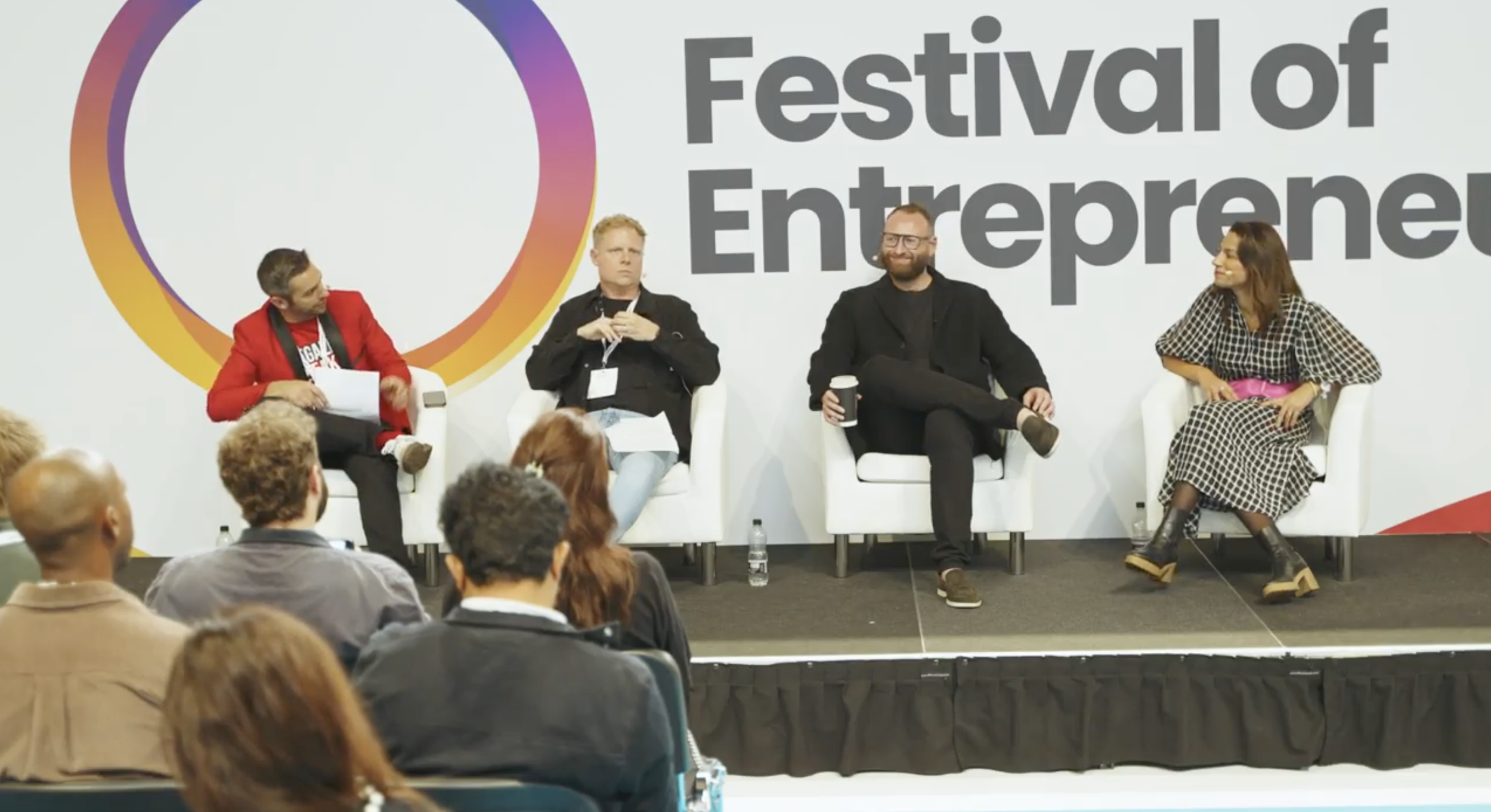
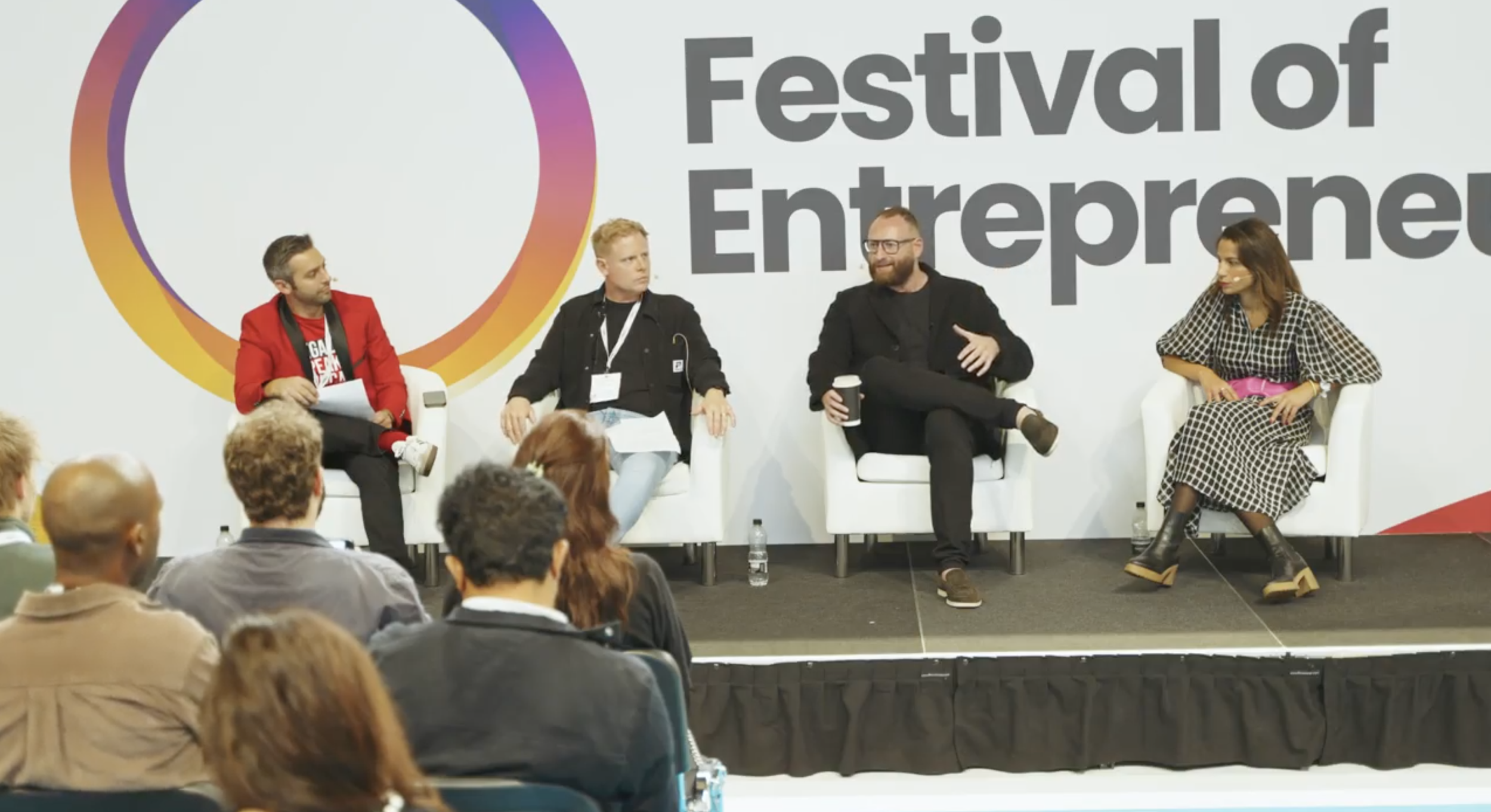
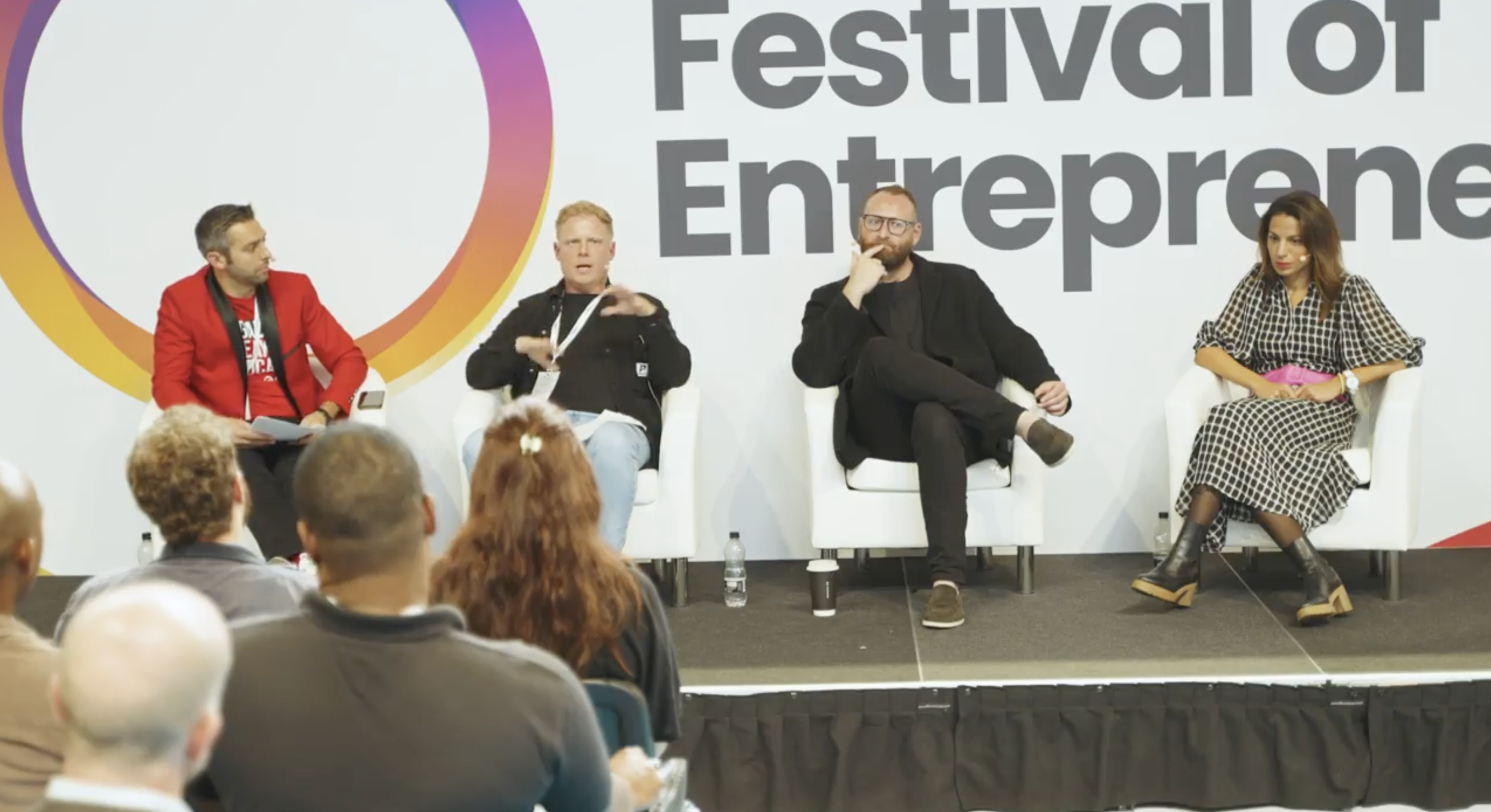
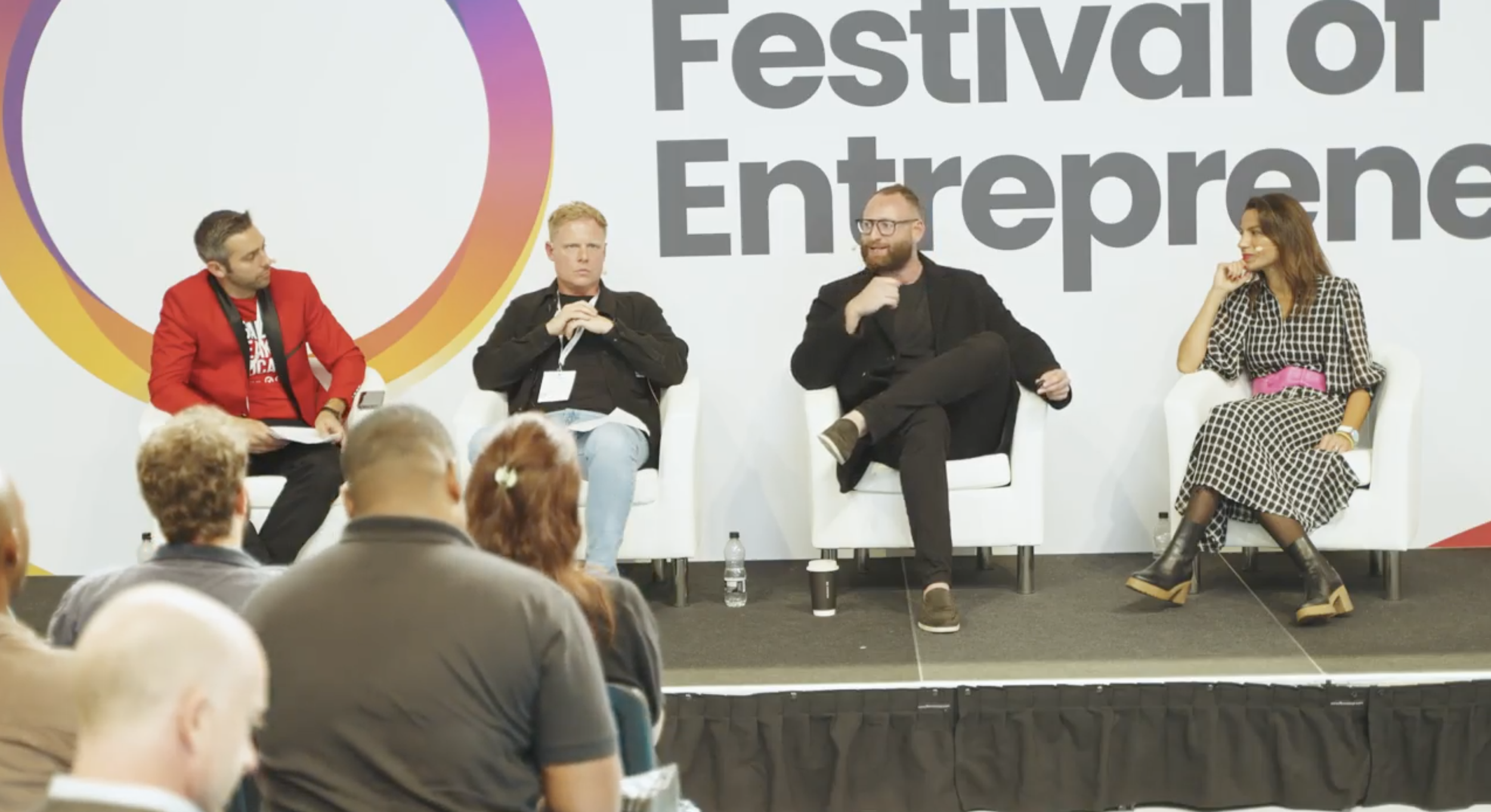
Niki Avraam, Roei Samuel, Simon Gardiner & Robert Hanna explore what founders must do to hire for cultural fit and potential, maintain engagement at scale, widen the talent pool, build diversity that actually drives performance, and create teams that want to grow with the business.
From founder to employer is a mindset shift
The early stages of a business reward speed and individual effort. As soon as a team forms, that equation changes. Founders are no longer just builders. They become employers, responsible for creating an environment where others can do their best work.
The transition is rarely smooth. Many founders experience early frustration, failed hires, and a lack of momentum before things click. What often unlocks progress is a deliberate decision to treat people strategy as seriously as product or sales strategy.
One approach that has proved effective is reframing the goal. Instead of building a company that happens to employ people, some founders focus on building an exceptional place to work that happens to operate in a specific industry. Retention, not hiring volume, becomes the leading indicator of success. In sectors where annual staff turnover can reach 40 to 45 percent, sustaining turnover closer to single digits creates a powerful competitive advantage.
The lesson is not that culture replaces performance. It is that strong culture protects performance over time.
Designing roles around people, not the other way around
A common failure point in scaling teams is rigid role design. Traditional job descriptions assume stability. Growing businesses operate in constant change.
Rather than forcing people into narrow definitions, high-performing teams look at how roles can flex around individuals’ strengths, skills, and motivations. When people are allowed to bring more of themselves to work, engagement increases and discretionary effort follows.
This does not mean abandoning accountability. It means recognising that alignment between skills, purpose, and role matters more than perfect technical fit. Allocating even a small proportion of someone’s time to work that sits outside their core remit can significantly increase motivation and retention.
As businesses grow, internal mobility becomes critical. Teams that allow people to move, stretch, and evolve are better able to adapt as strategy shifts.
Fractional talent changes the hiring equation
One of the most significant changes in the modern talent landscape is the rise of fractional work. Advances in technology, shifts in expectations, and changing demographics have reshaped how people want to contribute.
For founders, this opens up new options. Hiring full time is no longer the default solution to every problem. Fractional specialists allow businesses to access senior expertise without the cost, risk, or rigidity of permanent hires.
This approach is particularly valuable in early and mid-stage companies. Senior hires require context, infrastructure, and teams around them to be effective. Without that, experience can turn into overhead. Fractional support allows founders to focus full-time hiring on aligned, mission-driven generalists, while bringing in specialist capability only where and when it is needed.
It also widens the talent pool. Geography matters less. Access improves. Businesses can work with people who would never consider a traditional full-time role but bring enormous value in focused bursts.
Relationships drive performance more than incentives alone
Compensation matters. Opportunity matters. But genuine relationships matter just as much. Teams perform best when people feel seen, understood, and supported.
Scaling culture is often discussed in abstract terms, but it is built through day-to-day interactions. Managers who care about their people create environments where feedback flows, issues surface early, and trust develops.
This is not about being soft. It is about being human. Businesses that ignore relationships often find disengagement creeping in quietly, showing up later as attrition, low energy, or missed targets.
Founders who invest time in understanding what motivates each team member tend to see stronger commitment in return.
Hiring for potential, not just polish
As businesses scale, the temptation to hire impressive CVs increases. Experience has value, but it is not always predictive of success in a fast-changing environment.
Many founders have found better results by hiring for character traits rather than credentials. Resilience, curiosity, communication, and adaptability are often set long before someone enters the workforce. These qualities are harder to train than technical skills.
This approach requires confidence. It also requires patience. Hiring processes that run continuously rather than reactively allow businesses to say no more often and yes only when alignment is clear. Even candidates who are turned away can become advocates if the experience is handled well.
The goal is not to fill roles quickly, but to build a talent pipeline that supports long-term growth.
Engagement beats retention as a goal
Retention is often treated as the end objective. Engagement is a better measure. People may stay in roles they dislike, but they rarely perform well in them.
Engaged teams understand the mission, see how their work contributes, and feel safe enough to stretch and innovate. One practical way founders build this is by treating the relationship as a two-way value exchange. Understanding employees’ personal goals and aspirations creates alignment between individual progress and company growth.
When people see their role as a way to move closer to their own ambitions, commitment deepens.
Diversity strengthens adaptability
Diversity is not a box to tick. It is a source of resilience. Teams that draw on a wider range of perspectives, experiences, and ways of thinking are better equipped to navigate change.
Hiring for sameness may feel comfortable in the short term, but it limits long-term performance. Diversity of thought challenges assumptions, surfaces risk earlier, and drives better decisions. When combined with shared values and mission alignment, it becomes a powerful lever for retention and innovation.
In practice, this means looking beyond familiar networks, questioning what “fit” really means, and hiring for cultural contribution rather than similarity.
What founders should take away
Teams that scale well are built deliberately. They prioritise alignment over speed, engagement over optics, and adaptability over rigid structure.
Founders who succeed in this area tend to hire fewer people, but more thoughtfully. They combine strong generalists with fractional expertise, invest in relationships, and design roles that evolve with the business.
Growth does not come from talent alone. It comes from how that talent is supported, challenged, and trusted over time. When people strategy is treated as a core discipline rather than an afterthought, businesses gain a foundation that can carry them through every stage of scale.