
You’re Hired? What Real Business Looks Like After the Cameras Stop Rolling
Millions watch. Few understand what it really takes.
For years, The Apprentice has been framed as a shortcut to success. Prime time exposure. Boardroom drama. A £250,000 investment. Overnight recognition. From the outside, it looks like a fast track to scale.
The reality is far more complex.
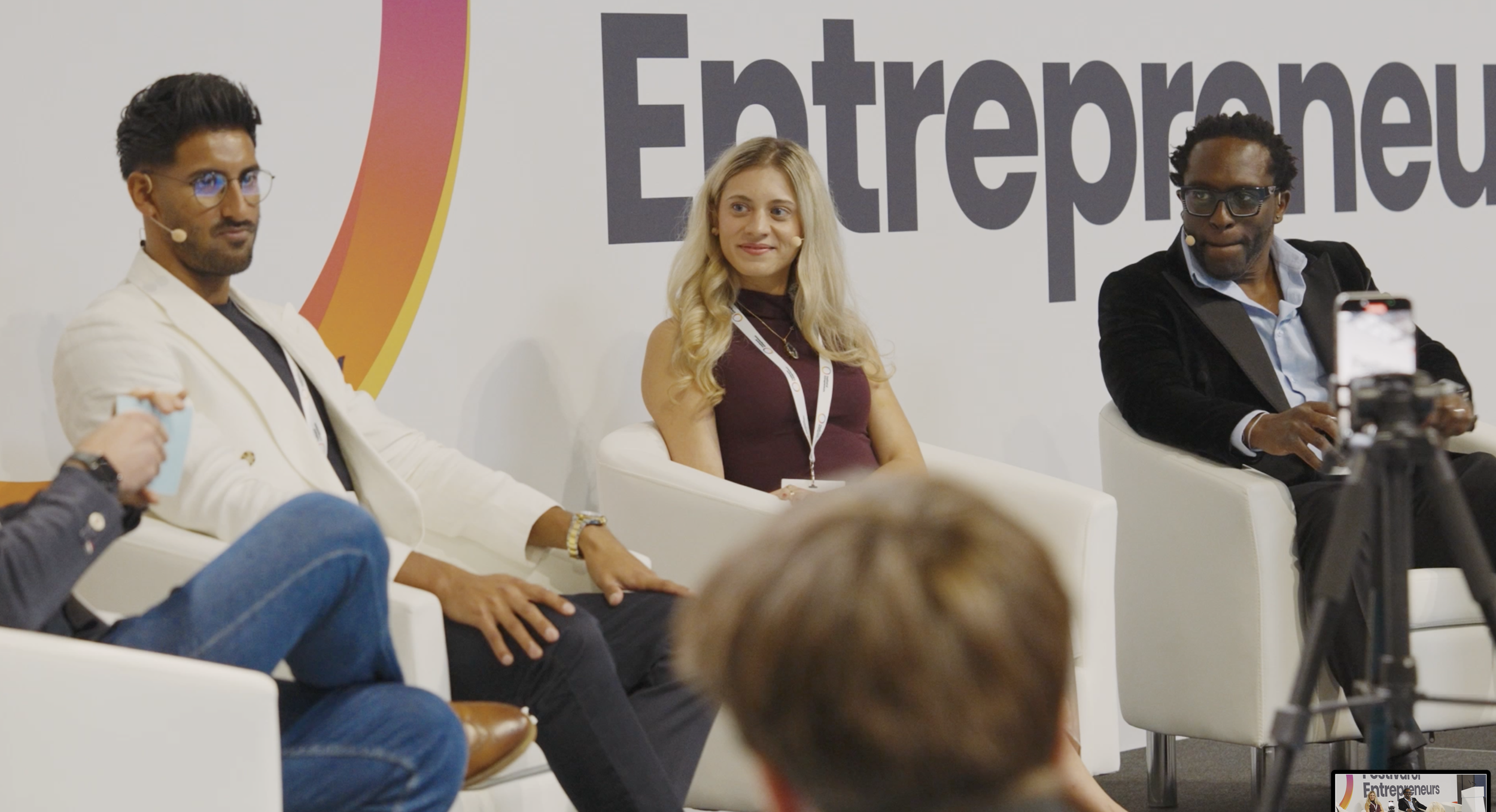
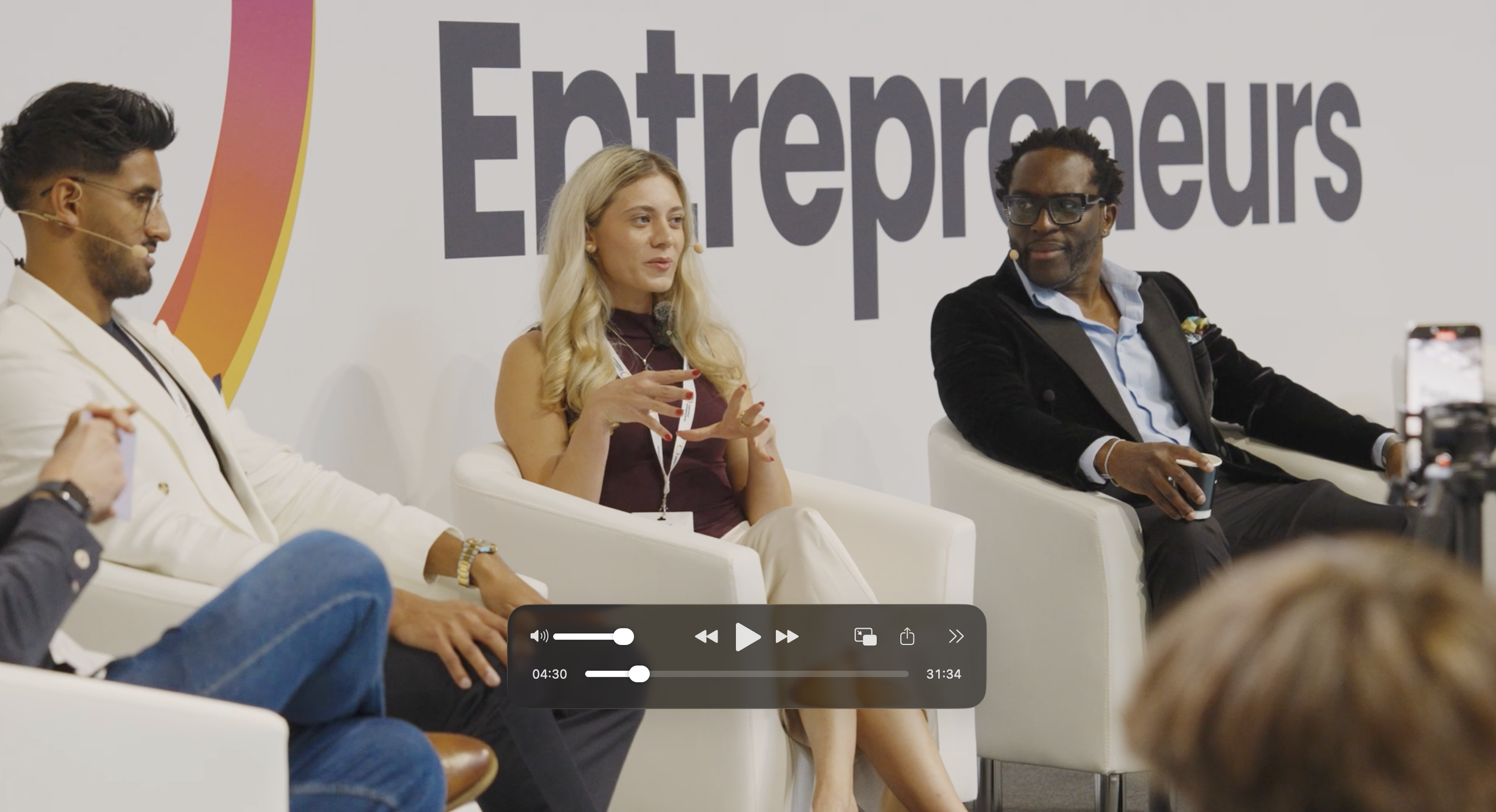
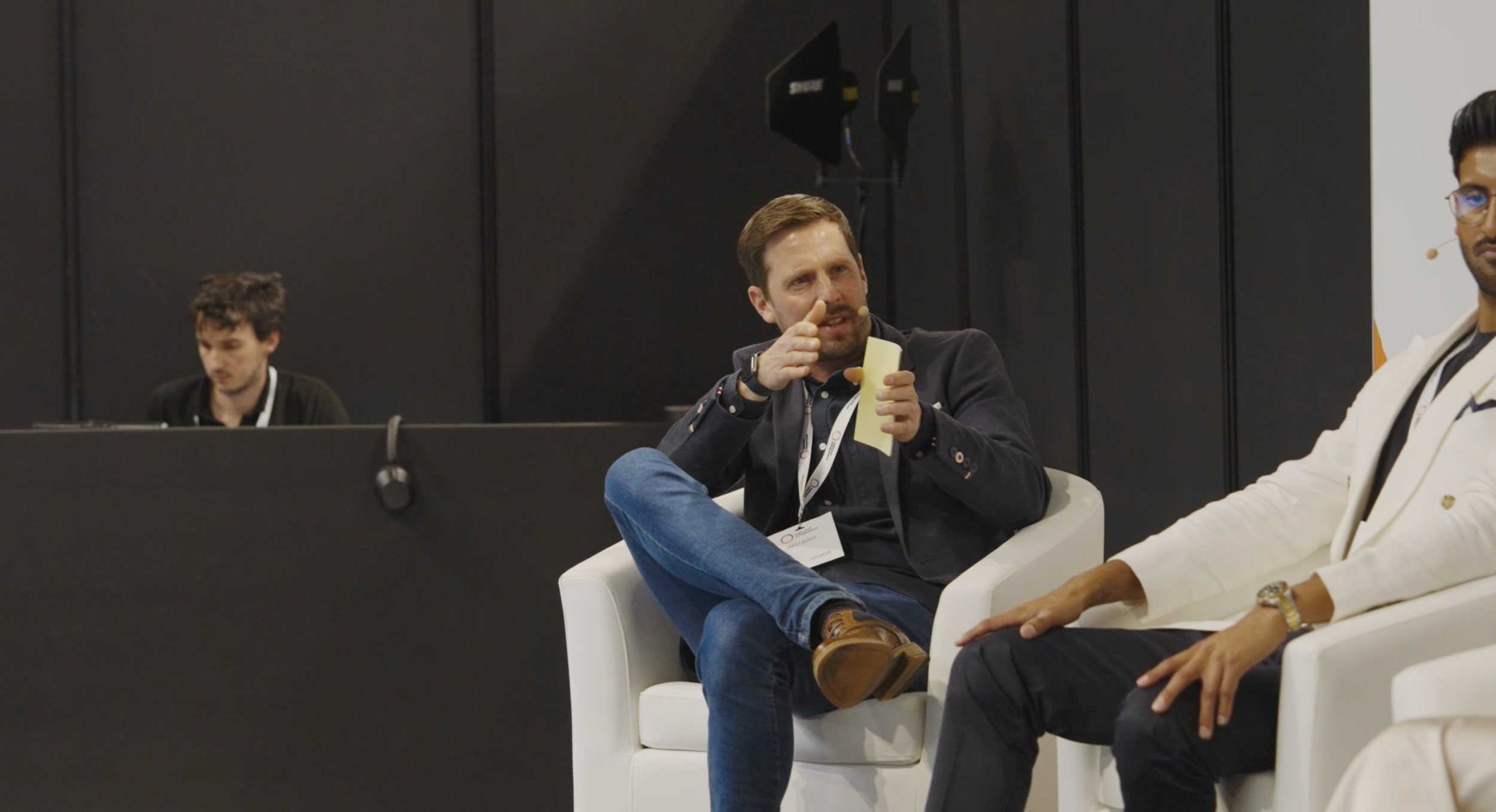
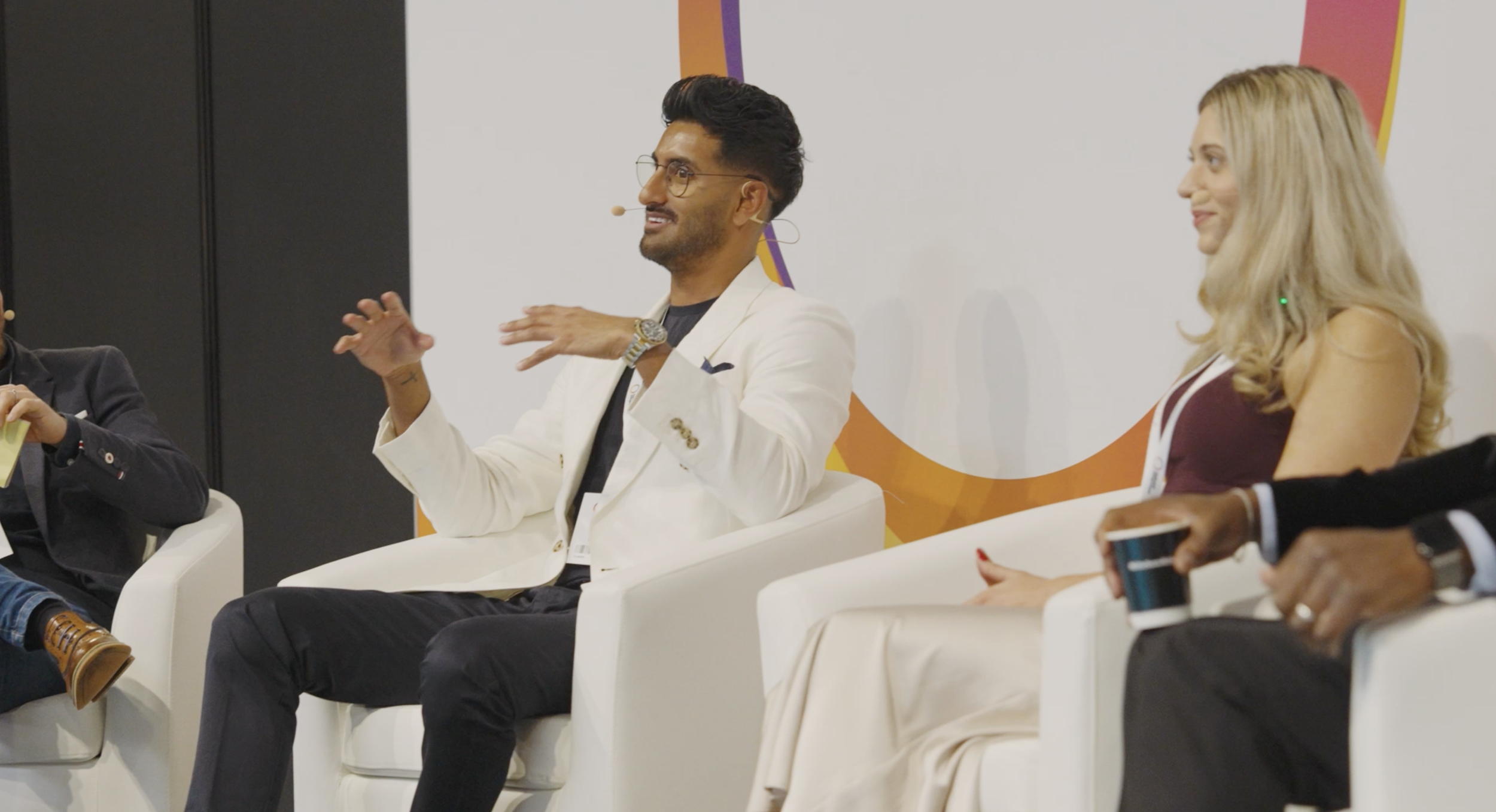
Drawing from the discussion at the Festival of Entrepreneurs, the conversation moved beyond television highlights and into what happens after filming ends. What remains once the lights switch off. What actually builds sustainable businesses.
Speakers:
Tre Lowe, Founder of SOBO
Sabrina Stocker, Founder of Two Comma PR
Daniel Elahi, Founder of Revival Shots
Hosted by James Burtt, Founder of Phonic Content
Visibility Is a Tool. Not a Strategy.
There is no denying the exposure.
At its peak, the show delivered millions of weekly viewers. For founders, that kind of attention is rare. It creates awareness quickly. It builds recognition. It can open doors.
But visibility alone does not build enterprise value.
Exposure may help with early traction. It may help build a personal brand. It may generate press opportunities or social following. But when founders sit in front of serious investors, the conversation shifts immediately to fundamentals.
Revenue.
Margins.
Growth rate.
Scalability.
Unit economics.
Investors do not fund television personalities. They fund businesses with defensible models and clear pathways to profitability.
For some, the show became a platform to amplify a personal brand and accelerate media driven ventures. For others, it was something to deliberately distance from while building a serious corporate growth trajectory. Both approaches can work. What matters is strategic clarity.
If visibility aligns with your long term model, leverage it. If it distracts from the core business, deprioritise it.
Confidence Is Not Ego. It Is Capacity.
One of the strongest themes was certainty.
On television, contestants are placed in deliberately high pressure environments. No phones. No outside contact. Minimal sleep. New tasks every week in industries they may know nothing about. Every decision is scrutinised. Every mistake is amplified.
Under those conditions, the only stable asset is self belief.
That certainty is not arrogance. It is the ability to operate under pressure without collapsing into doubt. It is the ability to lead people with different personalities and agendas. It is the discipline to stay composed when narratives turn against you.
In business, this translates directly to resilience.
Markets shift.
Investors pull out.
Teams fracture.
Campaigns fail.
If you cannot regulate yourself under stress, scale will expose you.
The experience reinforced something critical for founders at any stage: execution under uncertainty is a muscle. It can be trained. And once strengthened, it becomes a long term competitive advantage.
Resilience Is Transferable.
Another powerful insight centred on adaptability.
During the process, participants are thrown into unfamiliar industries and forced to generate revenue quickly. It is uncomfortable. It is messy. It is often chaotic.
Yet that experience builds something valuable: the understanding that money is created by solving problems.
When businesses later collapsed during lockdown, some founders rebuilt entirely new ventures within weeks. The confidence to do that did not come from theory. It came from having been forced to create under pressure before.
This is a useful question for any founder:
If you lost your current business tomorrow, could you start again?
If the answer is no, the issue is not capital. It is capability.
Real entrepreneurial confidence comes from knowing you can generate value repeatedly, not from protecting a single model.
Team Dynamics Reveal Character.
The show also surfaces something founders often avoid confronting: dependency.
Early stage entrepreneurs are used to control. They make every decision. They own every function. They operate independently.
In a competitive team environment, that control disappears. You are forced to collaborate with strong personalities, differing skill sets and competing egos. Decisions are negotiated. Authority is shared. Loyalty is tested.
In high stakes environments, people reveal who they are.
All founders will experience this moment in their own companies. When pressure rises, alignment fractures. Support becomes conditional. Incentives diverge.
Leadership requires more than decisiveness. It requires emotional intelligence. Knowing when to push. When to step back. When to assert authority. When to enable others.
Two captains cannot steer the same ship.
Understanding this early prevents cultural damage later.
The Investment Myth.
Perhaps the most sobering discussion centred on equity.
Television simplifies funding. A cheque. A handshake. A headline.
In reality, giving away 50 percent of your company for a modest investment is rarely attractive once you understand valuation properly. Early stage founders often underestimate long term dilution and governance implications.
As companies grow, equity becomes leverage. Control matters. Strategic flexibility matters.
The lesson is not that television deals are inherently wrong. It is that founders must understand their numbers deeply before negotiating any capital agreement.
Valuation.
Equity percentage.
Future funding rounds.
Board control.
Exit strategy.
Naivety in early negotiations compounds over time.
Personal Brand Versus Business Brand.
The discussion drew a sharp distinction between building a personal brand and building a company brand.
For service based or media driven ventures, personality can be the growth engine. Trust accelerates adoption. Recognition shortens sales cycles.
For product based or multinational scaling businesses, brand equity often needs to stand independently of the founder’s public profile. In those contexts, institutional investors care less about media appearances and more about operational performance.
Founders must choose deliberately.
Are you the brand?
Or are you building something that outlives your personal narrative?
The answer shapes marketing strategy, hiring decisions and capital structure.
The Real Work Starts After.
What became clear is this: television is a moment. Business is a marathon.
After filming ends, founders return to the same fundamentals as everyone else.
Customer acquisition.
Cash flow management.
Product development.
Hiring.
Culture.
Retention.
International expansion.
Exposure may create a temporary spike. Sustained growth comes from systems, discipline and focus.
The boardroom makes good entertainment. The warehouse at 6am does not. But that is where real scale is built.
The lesson is simple. Attention is optional. Execution is not.
If you are considering putting yourself forward for any high visibility opportunity, ask a better question than whether it will make you famous.
Ask whether it aligns with the business you are actually trying to build.
Because once the cameras stop rolling, the only thing that remains is your model, your margins and your ability to lead.