
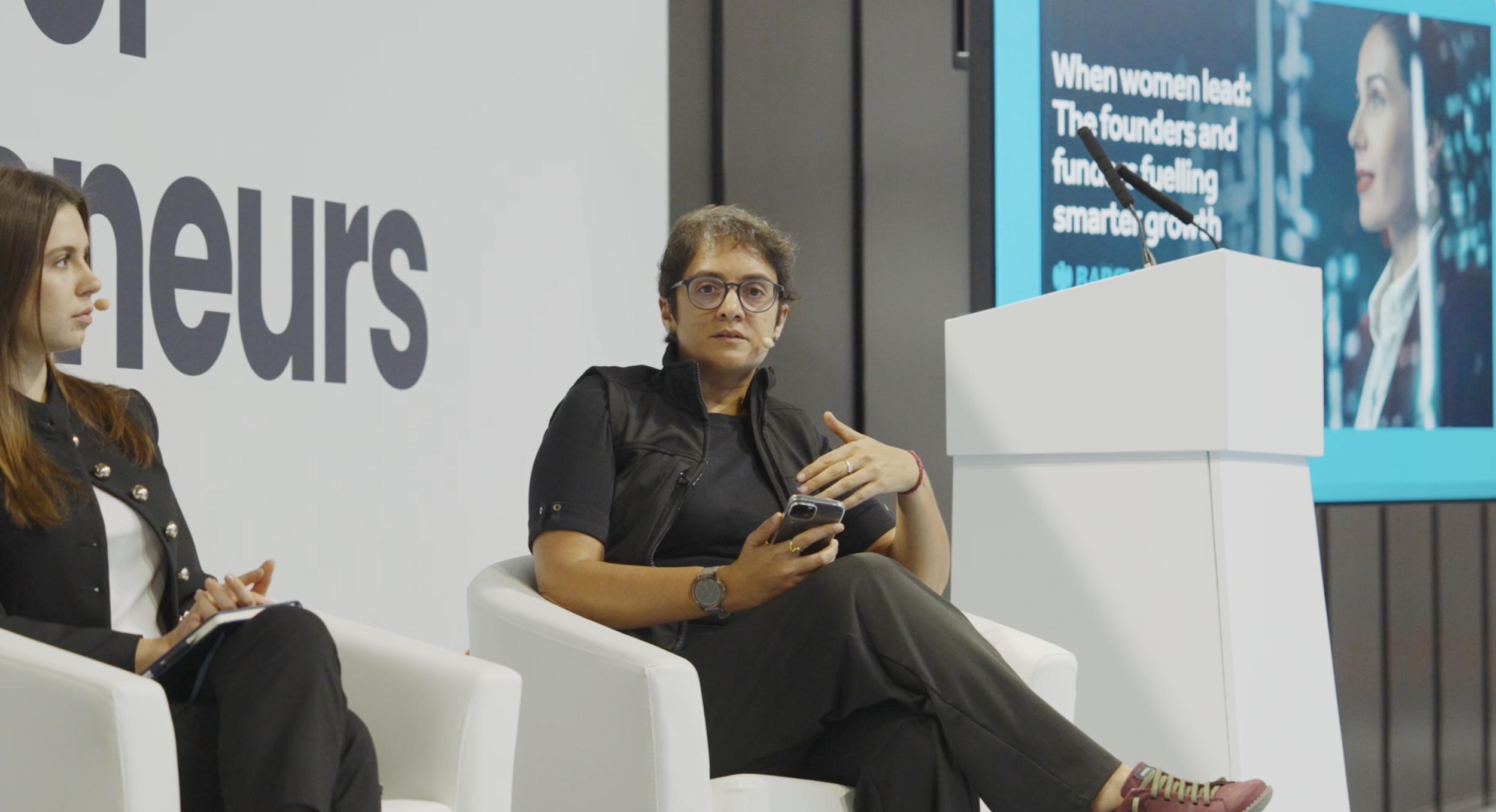
When Women Lead: The Founders and Funders Fueling Smarter Growth
Ambition is not gendered. Access often is.
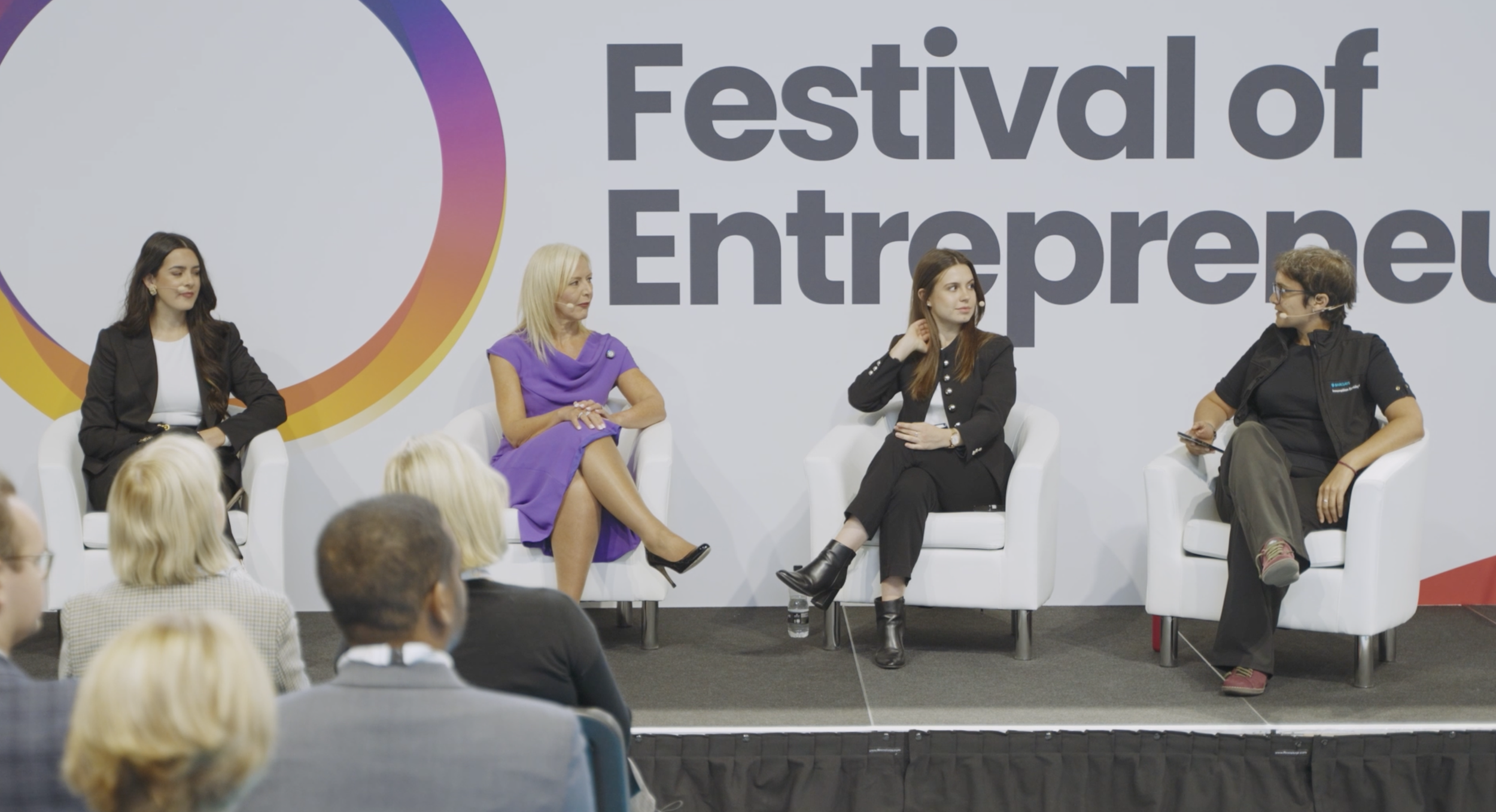
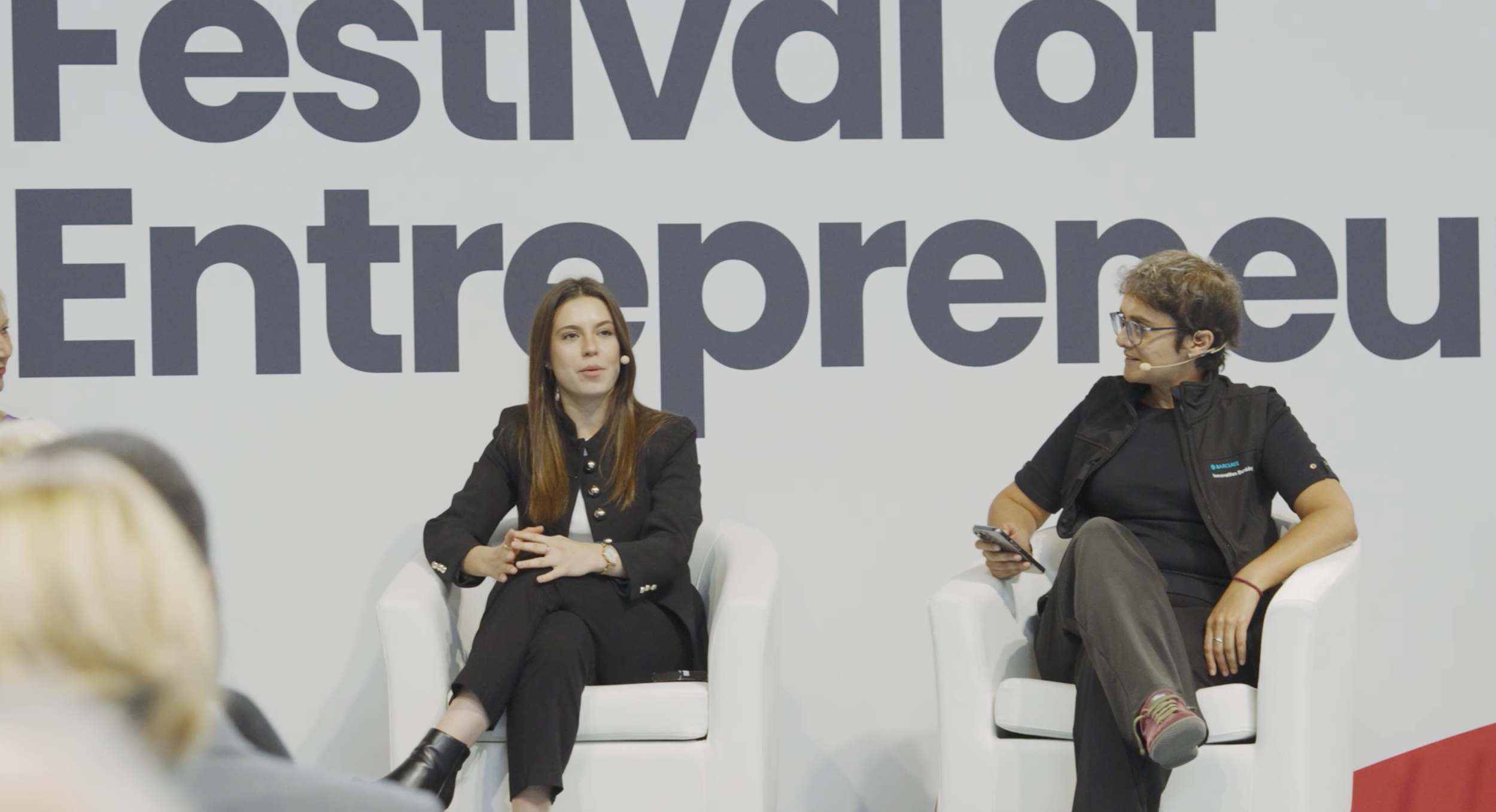
At the Festival of Entrepreneurs, a candid discussion explored what it really takes to build, back and scale businesses in the current climate, particularly as a female founder or investor. Drawing from the keynote transcript
In this panel from Festival of Entrepreneurs 2024 talked about beyond surface level encouragement and into the realities of capital, confidence and execution.
The message was clear. There is progress. There is still imbalance. And there is enormous opportunity.
Speakers:
Catalina Valentina, CEO at Elixr
Luize Silina, Investment Analyst at Future Planet Capital
Jeanette Linfoot, Founder of Bold Brave Brilliant
Sheetal Shinh, Interim Head of Innovation Banking at Barclays

There Is No Single Path Into Entrepreneurship
One of the most refreshing themes was the absence of a single, linear journey.
Some founders began in corporate boardrooms, running large P and L accounts before choosing to step out and build independently. Others started during moments of disruption, including job loss during the pandemic, launching businesses almost experimentally before discovering traction.
There was no single defining epiphany. No perfect readiness. In several cases, the decision to start was pragmatic rather than romantic. A website registered. A first client secured. Twelve months without pay. Part time work to cover costs. Then slow momentum.
This matters because too many potential founders wait for certainty. The reality is that clarity often follows action, not the other way around.
Starting is imperfect. It is iterative. It demands adaptability.
Investors Back Businesses and People
From an investment perspective, process and discipline remain consistent.
Pitch decks are assessed against defined criteria. Revenue thresholds, geographic focus and sector alignment filter opportunities early. Institutional capital follows frameworks.
Yet numbers alone are not decisive.
Particularly at early stage, investors are backing execution capability. They are assessing whether the founder and team can navigate setbacks, refine strategy and deliver against projections. Passion and energy matter because they sustain performance when conditions tighten.
A compelling pitch is not theatrical. It is clear, confident and data informed. Founders must know their numbers, understand their market and articulate why their solution deserves attention.
There is also a relational dimension. Investors are entering a long term partnership. Alignment on values, communication style and expectations is critical. Choosing the wrong investor can create friction that slows progress rather than accelerates it.
Capital is not just money. It is influence.
Execution Beats Ideation
Innovation is attractive. Execution determines survival.
Early stage founders often begin as vision driven creatives. The excitement of a new idea fuels long hours and bold ambition. Yet growth requires process. Systems. Financial discipline. Targeted market entry.
Scaling successfully demands a shift in mindset. Founders must evolve from idea generators to operators. That can involve uncomfortable trade offs, including focusing on one segment or channel rather than chasing global expansion prematurely.
Building one strong market position is often more powerful than spreading thin across many.
As teams grow, leadership must adapt. The skill set that launches a business is rarely identical to the one that scales it. Founders who recognise this early, and either upskill or bring in complementary strengths, are more likely to build resilient organisations.
The Funding Gap Is Real
While opportunity has widened, structural disparities remain.
Female founders continue to receive a disproportionately small share of venture capital funding. At the highest levels of corporate leadership, representation has improved but plateaued. In major listed companies, female chief executives remain the exception rather than the norm.
The dynamic differs between corporate and entrepreneurial ecosystems. In large corporates, board level gender balance has improved over the past decade. In venture backed startups, access to capital is still uneven.
The response cannot be passive frustration.
Resilience is non negotiable. Rejection is part of the fundraising process for any founder. The difference often lies in how setbacks are interpreted. A no is feedback, not a verdict.
Confidence also plays a role. Many female founders undersell their ambition or temper projections. Yet capital markets reward clarity and conviction. Founders must be willing to articulate scale potential boldly and back it with data.
Belief is not arrogance. It is alignment with vision.
Choose Investors Carefully
One of the strongest warnings centred on investor selection.
Securing funding can feel urgent. Accepting the first available cheque is tempting. Yet misaligned investors can introduce conflict that consumes time and energy.
Due diligence is mutual. Founders should assess potential investors as rigorously as investors assess them. Are they supportive in difficult periods? Do they understand the sector? Do they add strategic value? Are expectations realistic?
Understanding legal fundamentals is also essential. Term sheets, shareholder rights, drag and tag provisions and governance structures shape long term control. Founders who educate themselves early are better positioned to negotiate effectively.
Blind optimism is expensive.
Network Early, Not Just When You Need Capital
If there was one practical recommendation repeated consistently, it was this: build your network before you need it.
Relationships compound over time. Investors are more receptive when they have observed progress across months rather than days. Informal conversations can evolve into formal funding discussions when timing aligns.
Being present in the right rooms increases visibility. Speaking openly about what you are building increases recall. Your network does not guarantee funding, but it significantly improves probability.
Visibility is strategic, not self indulgent.
Smarter Growth Is Intentional
The overarching theme was not about women competing differently. It was about leading intentionally.
Have a plan, even if it is imperfect. Start before everything feels ready. Learn fast. Adapt. Surround yourself with complementary talent. Choose investors carefully. Know your numbers. Protect your energy.
Smarter growth is not about reckless scale. It is about disciplined expansion supported by aligned capital and strong leadership.
When women lead and invest with clarity and confidence, businesses scale with purpose. The ecosystem benefits. And the next generation sees possibility rather than limitation.