
The Story of LUSH: Building a Global Brand with Values at Its Heart
Global consumer brands are often measured in square footage, turnover and market share. Yet some of the most enduring businesses are built on something less visible: conviction.
LUSH did not begin with a five year exit strategy or a neatly structured capital plan. It began with a building in Poole, car boot sales to fund raw materials, and a determination to create products on its own terms. That spirit remains intact decades later.
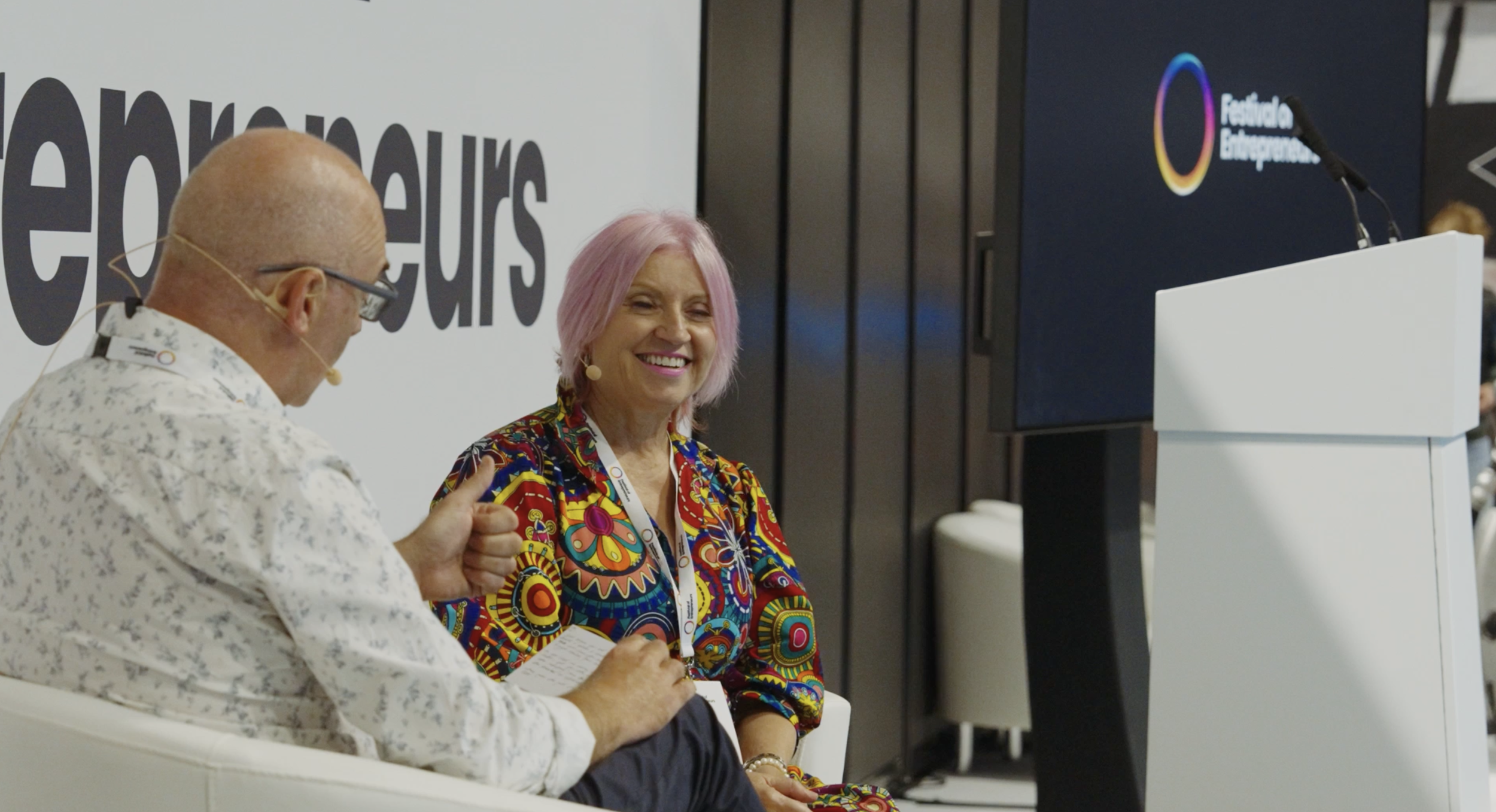
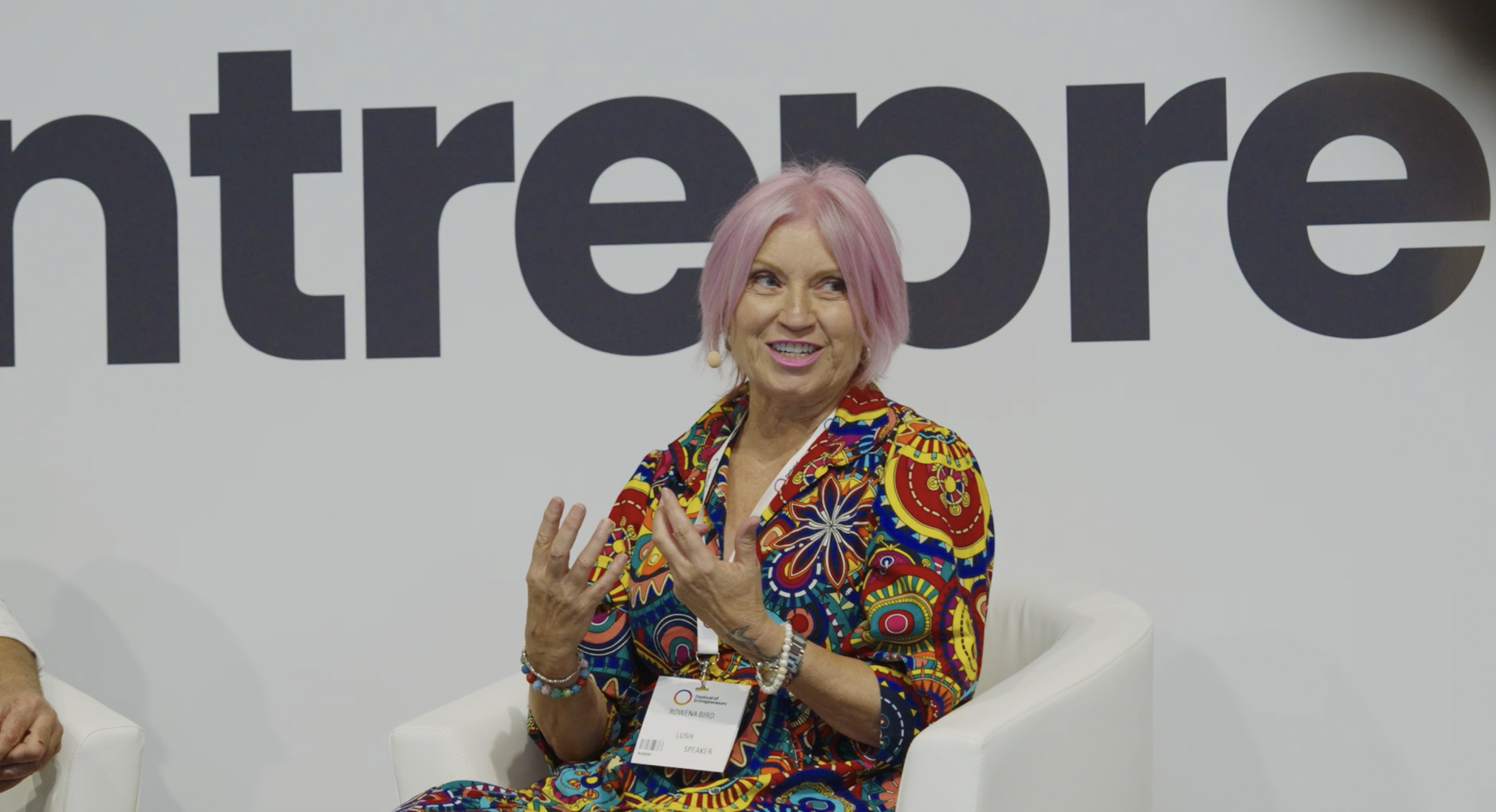
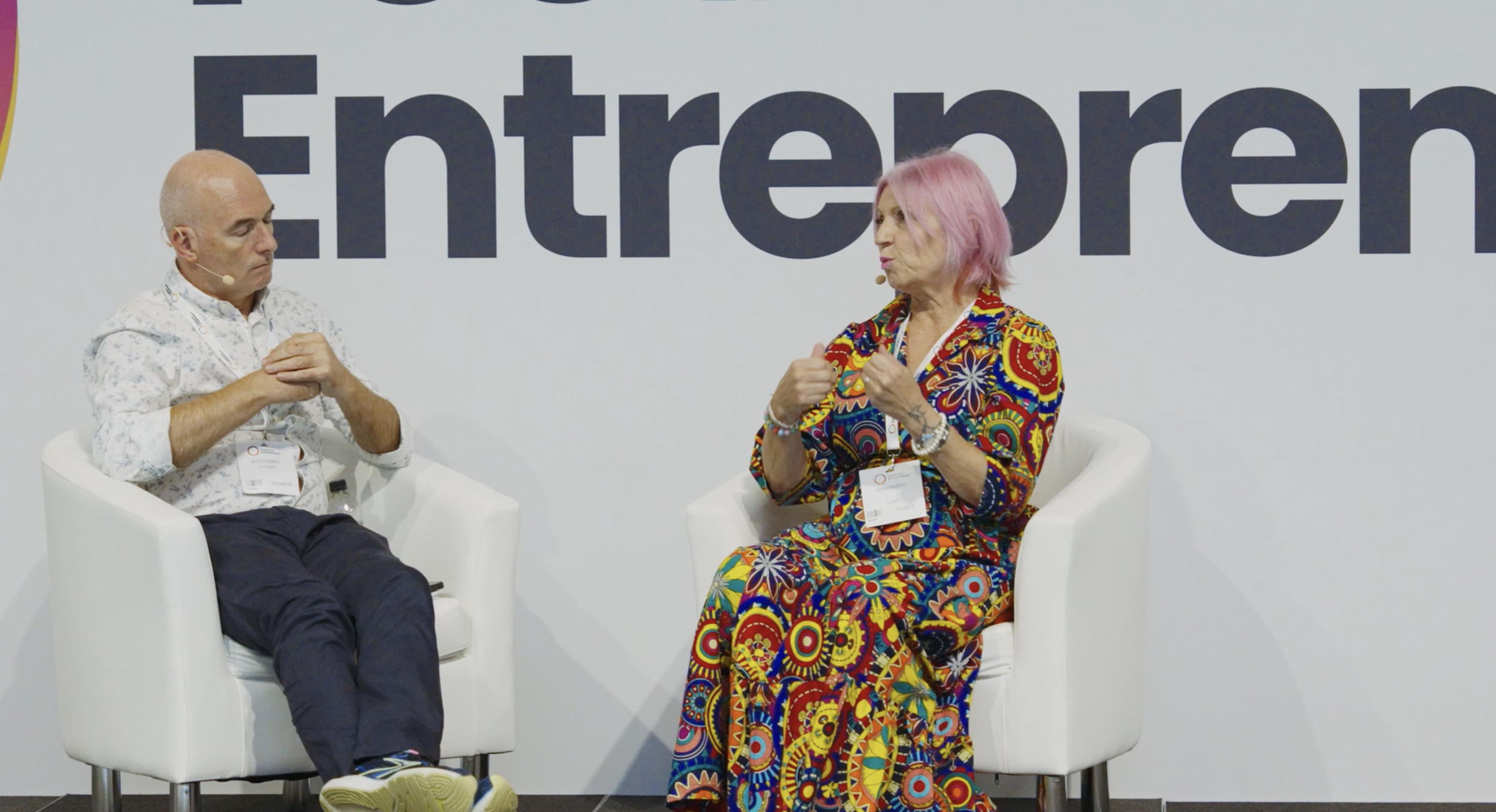
The conversation at the Festival of Entrepreneurs with Rowena Bird offered something more valuable than a growth playbook. It offered a window into how a values led company scales without surrendering control.
Speakers:
Rowena Bird, co-founder of LUSH

Grow Step by Step, Not All at Once
One of the most consistent themes was restraint.
Scaling, in hindsight, can look inevitable. In practice, it is messy and often uncomfortable. LUSH moved shop by shop, learning each stage of retail rather than leaping ahead through aggressive investment.
The first large flagship space was a shock to the system. Expanding from compact stores to a 400 square metre presence brought operational challenges that were hard to predict. That experience reinforced a simple lesson: expand at a pace that allows you to understand what you are building.
It is tempting for founders to chase rapid growth through heavy external investment. The counter argument is control. When you scale steadily, you retain operational knowledge and cultural coherence. Growth becomes embedded rather than bolted on.
Keep Ownership Aligned With Values
Capital was accepted when it was needed, but never at the expense of ownership.
An early investor provided funding with a clear understanding that equity would remain with the founders. The return was financial, not strategic control. That distinction mattered.
The reasoning was straightforward. A brand built on non animal testing, ethical sourcing, vegan and vegetarian formulations and environmental campaigning cannot thrive under pressure to dilute standards for margin.
Many founders speak about values. Fewer design their capital structure to protect them.
LUSH’s insistence on retaining shares was not about sentimentality. It was about long term alignment. If investors are motivated purely by short term profit, ethical commitments become vulnerable.
Location Still Matters
In a digital age, retail discipline still counts.
Location remains fundamental. High footfall sites create discovery. Customers walk in because they can smell the products, see the theatre of the shop floor and experience the brand physically.
At the same time, the business has adapted through collaborations that introduce new audiences. Partnerships with cultural franchises have brought different demographics into stores without compromising product integrity.
The decision to step away from major social platforms illustrates the same thinking. It came at a measurable commercial cost. The estimate was roughly ten percent of sales. Yet the trade off was intentional.
If a platform environment conflicts with brand ethics, the decision is not purely commercial. It is cultural. In its place, the company invested in its own channels, from its app to community programmes and in store theatre.
For founders, the lesson is clear. Distribution strategy must reflect values, not just volume.
Ethical Supply Chains Require Effort
Perhaps the most complex aspect of scaling a values led brand is supply chain design.
Rather than buying through commodity intermediaries, LUSH has sought direct relationships with growers and producers wherever possible. The goal is not simply lower cost, but better quality and fairer distribution of profit.
In some cases, that has meant investing in suppliers without demanding exclusivity. Supporting a co operative in Ghana to produce cocoa butter, for example, while encouraging them to have multiple customers. That approach reduces risk for the producer and strengthens resilience.
There is a discipline here. Ethical sourcing does not mean romanticism. It requires rigorous standards, clear criteria and an acceptance that margins may look less impressive on paper.
Yet profitability has been sustained. The UK and North America remain significant revenue drivers, alongside Japan, Korea and Australia. International growth has been selective and often partner led, ensuring local entrepreneurial energy in each market.
Define Success Carefully
An interesting question surfaced: has anything limited even greater financial success?
The answer depends on how success is defined.
If it is measured solely by bottom line margin, then insisting on premium raw materials and strict ethical standards may constrain short term profit. If success includes sleeping well at night, giving £100 million to grassroots charities, and building a business that reflects personal conviction, the equation changes.
The company’s charitable contributions have reached nine figures, directed largely to smaller organisations rather than headline names. Campaigning has addressed environmental protection, animal welfare and civil liberties. These positions have occasionally made the brand divisive. That is accepted.
For founders, this reframes ambition. Scale does not require neutrality. It requires clarity.
Longevity Through Culture
Perhaps the most striking element is that the founders remain actively involved. Family members are working across departments, learning the business in a rounded way rather than being parachuted into narrow roles.
An employee benefit trust structure has been introduced to prevent a future sale that could undermine core values. It is a structural safeguard against cultural drift.
Family businesses are rarely simple. Conflict is acknowledged. Difficult conversations are necessary. Yet long term orientation appears stronger where ownership and identity are closely linked.
The motivation, after decades, remains rooted in people and product. Innovation continues through initiatives such as hair labs and sensory spa experiences. Expansion continues into new territories. The appetite to experiment has not diminished.
A Different Model of Scale
LUSH offers an alternative model of what global growth can look like.
It is not driven by quarterly exit timelines. It does not rely on aggressive dilution. It accepts slower margins in exchange for stronger ethics. It invests in experience as much as distribution.
For founders building today, the core insight is this: values are not an accessory to scale. They are the architecture.
When embedded deeply in ownership, supply chain, hiring and decision making, they become a competitive advantage rather than a constraint.
Longevity follows clarity.